Digital Transformation in Shein’s Supply Chain: Efficiency and Agility
Technology Driving Change in Retail
As consumer expectations continue to evolve, the retail environment is experiencing transformative changes like never before. This rapid evolution is catalyzed by significant advancements in technology, coupled with the shifting preferences of today’s shoppers, who increasingly demand speed, personalization, and convenience. Shein, a leader in the fast fashion sector, has emerged as a powerful example of how digital transformation can be harnessed to optimize supply chain processes and enhance overall operational agility.
In recent times, effective supply chain management has ascended to critical importance within the retail industry. Brands that seek to remain competitive must adapt swiftly, and Shein has demonstrated this through several innovative strategies that set it apart:
- Data Analytics: Shein employs advanced data analytics to dissect consumer behavior and predict fashion trends. By analyzing vast amounts of data, the company can determine which clothing styles are waning in popularity and which are poised to become the next big hit. This data-driven approach allows Shein to manage inventory proactively, reducing excess waste that often plagues the retail industry.
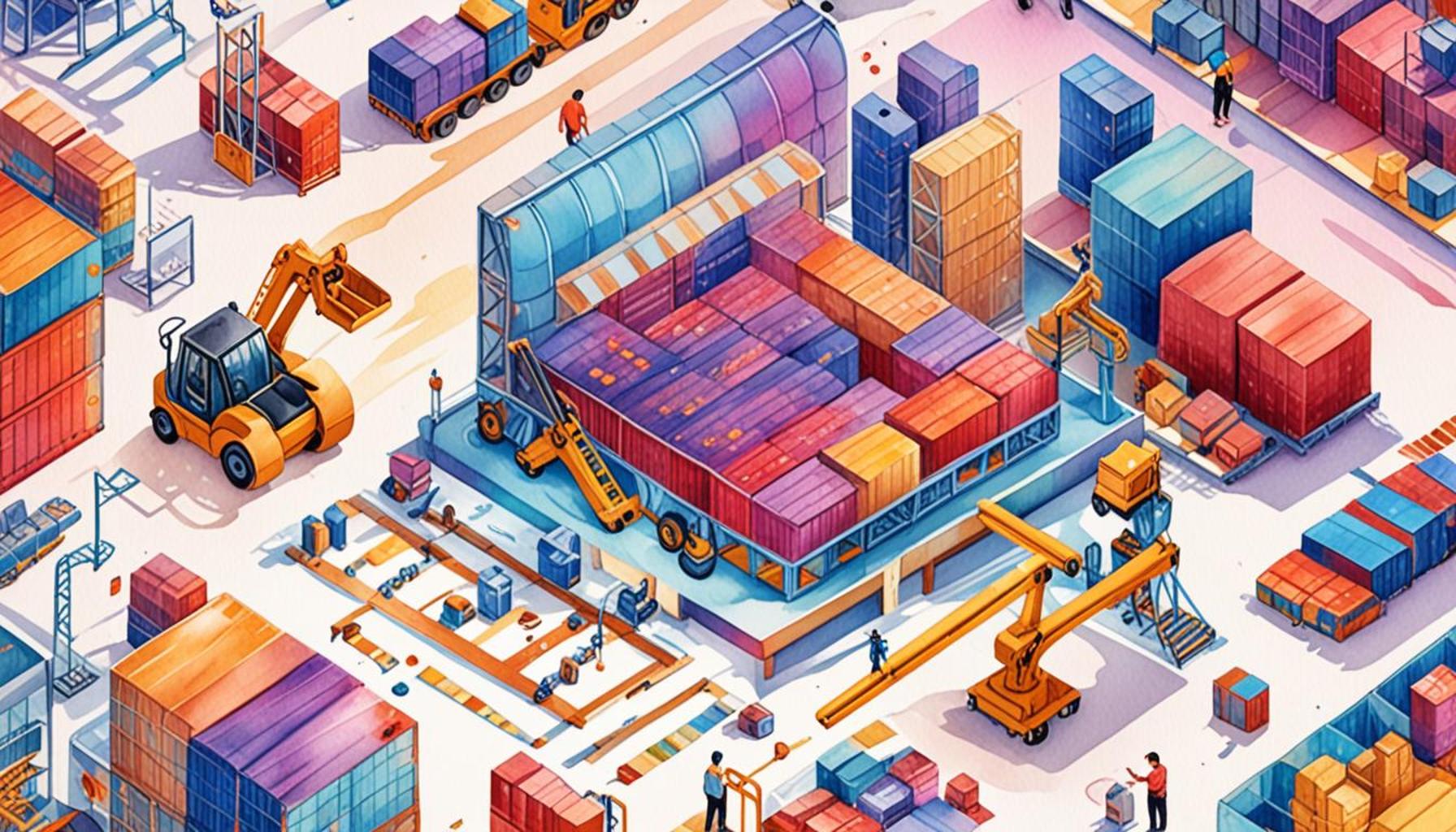
- Automated Warehousing: The integration of robotics and automated systems within Shein’s warehousing operations has revolutionized its fulfillment processes. Automation not only speeds up order processing times but also minimizes human error, resulting in a more reliable supply chain. For instance, utilizing automated sorting systems enables Shein to handle thousands of orders daily, ensuring that packages are swiftly and accurately dispatched to consumers.
- Real-Time Tracking: Enhanced visibility throughout the supply chain is another cornerstone of Shein’s operational strategy. With real-time tracking mechanisms in place, both the company and consumers can monitor the status of orders, which fosters transparency and builds trust. This investment in technology allows Shein to make informed decisions quickly, particularly in response to fluctuations in demand or unforeseen supply chain disruptions.
By embracing these digital innovations, Shein not only boosts its operational efficiency but also remains agile in meeting the demands of fast-paced consumer behavior. The company has garnered attention for its ability to convert runway trends into retail-ready products in record time, often within just weeks. This rapid turnaround time is rare in the apparel industry and showcases how technology can lay the groundwork for sustained competitive advantage.
As we delve further into the intricacies of Shein’s groundbreaking supply chain strategies, it becomes evident that the company’s commitment to leveraging technology is not merely about staying relevant. Instead, it’s about pioneering a path toward sustained growth and sustainability in an increasingly global marketplace. Interested readers are encouraged to explore these innovations further, as they not only impact Shein’s business model but also illustrate broader trends within the retail industry as a whole.
DISCOVER MORE: Click here for deeper insights
Leveraging Technology for Supply Chain Optimization
In an era where speed is non-negotiable, Shein has harnessed technology to create a supply chain that not only meets but anticipates consumer demands. The company’s digital transformation efforts have transcended mere trend-following; they constitute a blueprint for how retailers can optimize their operations in the face of rapid market change. Below, we explore some of the most impactful elements of Shein’s approach to supply chain efficiency and agility:
- Predictive Analytics: By employing sophisticated predictive analytics, Shein has turned data into a strategic asset. The company monitors patterns across various data points, such as customer purchases, social media trends, and even local events, to forecast what styles will resonate with consumers. This capacity for prediction minimizes overproduction and understock situations, aligning inventory with genuine market demand.
- Just-In-Time Manufacturing: Another key component of Shein’s strategy is its adoption of just-in-time (JIT) manufacturing techniques. This method enables the company to produce smaller batches of clothing that can quickly respond to real-time sales data. Instead of committing to large-scale production runs, Shein can pivot based on immediate consumer feedback, thereby reducing waste and optimizing resource allocation.
- Supply Chain Integration: A seamless flow of information between suppliers, manufacturers, and retail channels is fundamental to Shein’s operational success. The company utilizes cloud-based platforms that allow for standardized communication and data sharing across its supply chain partners. This level of integration fosters collaboration and ensures that critical information is accessible in real-time, streamlining decision-making processes.
- Customer-Centric Fulfillment: As consumers increasingly demand fast delivery options, Shein has embraced agile fulfillment methods. By incorporating localized distribution centers and utilizing third-party logistics partners, the brand enhances its delivery speed. This strategy not only shortens the time from order to delivery, but also reduces logistical costs, allowing consumers to receive their purchases in record time.
Through these efforts, Shein stands as a beacon of innovation in the retail landscape, demonstrating that agility does not come at the expense of efficiency. The company’s rapid production cycles and customer-first mindset make it uniquely positioned to adapt in a sector characterized by constant flux. As market conditions evolve, Shein’s ability to pivot its supply chain according to data-driven insights places it on the cutting edge of modern retail. This proactive approach signifies a paradigm shift, where traditional supply chain practices are being redefined by technology.
The implications of Shein’s digital transformation extend beyond the walls of its own business; they set precedents for the entire retail industry. As companies look to pivot and refine their supply chains, examining Shein’s strategies can uncover valuable lessons on the intersection of efficiency and agility in today’s hyper-competitive marketplace. By continuing to invest in digital innovations, Shein reinforces its commitment to staying ahead of consumer trends while laying a strong foundation for future growth.
| Advantage | Impact on Supply Chain |
|---|---|
| Data-Driven Decision Making | Shein leverages real-time data analytics to forecast trends, optimizing inventory management and reducing waste. |
| Fast Fashion Responsiveness | Digital transformation allows Shein to swiftly adapt to consumer preferences, ensuring timely product delivery and enhancing customer satisfaction. |
The integration of cutting-edge technology within Shein’s supply chain creates a dynamic environment where decision-making is enhanced through data analytics. This approach minimizes risk and facilitates adaptive strategies that can swiftly respond to market demands. By utilizing comprehensive systems for inventory management, Shein can accurately predict trends and requirements, effectively reducing excess stock and improving sustainability—key considerations in modern retail.Moreover, the swift adaptability characteristic of Shein’s operations is a direct result of digital technologies enabling rapid response to fashion trends. This agility not only ensures that Shein remains competitive in the fast-paced fashion industry but also significantly boosts customer loyalty through improved product availability and timely delivery. The implementation of robust supply chain strategies is essential for any retail operation aiming to thrive in today’s fast-evolving marketplace, highlighting the fundamental role of digital transformation in achieving such objectives.
DISCOVER MORE: Click here to learn about the future of e-commerce</a
The Role of Innovative Technologies in Enhancing Supply Chain Resilience
In addition to its established practices, Shein has continually pushed the envelope by integrating cutting-edge technologies that further enhance supply chain resilience and adaptability. The retail giant understands that in an interconnected world, leveraging innovative tools is key to sustaining competitive advantage. Here are some notable ways that Shein has incorporated technology to strengthen its supply chain:
- Artificial Intelligence (AI) and Machine Learning (ML): AI and ML algorithms play a pivotal role in Shein’s supply chain decision-making processes. These technologies enable the company to analyze vast amounts of data quickly and efficiently. For instance, AI-driven insights can assess customer behavior patterns, providing Shein with the ability to tailor product offerings to specific demographics. By predicting future trends, Shein can design and manufacture items that align closely with consumer preferences, reducing unnecessary inventory and associated costs.
- Blockchain for Transparency: The integration of blockchain technology in Shein’s supply chain is aimed at fostering greater transparency and trust among stakeholders. By documenting every transaction and movement of goods on a decentralized ledger, Shein can offer customers and partners reliable information about product origins and quality. This transparency not only enhances customer loyalty but also equips the brand with important documentation that may be necessary for regulatory compliances in a market that increasingly prioritizes sustainability.
- Robotics and Automation: Robotics have begun to revolutionize how Shein manages its warehousing operations. Automated systems streamline storage, picking, and packing processes, thereby minimizing human error and accelerating order fulfillment. These robots work alongside human staff, creating a symbiotic relationship where efficiency is maximized without compromising quality. As consumer expectations around delivery times continue to shrink, Shein’s investment in automation ensures that it remains ahead of the curve.
- Augmented Reality (AR) for Enhanced Shopping Experience: While primarily a consumer-facing technology, AR also impacts Shein’s supply chain positively. By using AR to allow customers to visualize products before purchase, Shein gathers data on preferences and sizes. This consumer insight can translate into more effective inventory management, as the company can anticipate demand for specific items or sizes based on visual engagement metrics. Such proactive measures are indicative of how Shein utilizes digital tools throughout its value chain.
As part of its digital transformation, Shein has cultivated an ecosystem that embraces continuous learning and adaptation. This culture of innovation is reflected not only in supply chain efficiency but also in a heightened level of responsiveness to consumer needs. By employing technologies like AI for predictive analytics and blockchain for transparency, Shein is setting new benchmarks for agility in retail logistics.
The convergence of these technologies showcases a robust alignment between operational capabilities and market realities. In a rapidly evolving landscape characterized by unpredictability, Shein’s multifaceted approach to digital transformation serves as a roadmap for retailers aspiring to enhance their own supply chain efficiencies. Companies venturing to mimic Shein’s formula would do well to closely monitor the implications of integrating these advanced technologies to remain relevant and competitive in an ever-changing market environment.
DIVE DEEPER: Click here to uncover the secrets of Shein’s supply chain agility</p
Conclusion: The Future of Shein’s Supply Chain Transformation
In an era where digital transformation is no longer a luxury but a necessity, Shein stands as a compelling case study in redefining supply chain frameworks through efficiency and agility. By adopting innovative technologies such as Artificial Intelligence, blockchain, and automation, Shein not only optimizes its operational processes but also enhances its ability to respond rapidly to changing consumer demands. This robust integration of technology amplifies transparency, reduces time-to-market, and ultimately cultivates a customer-centric approach that is crucial for success in today’s competitive landscape.
Moreover, the brand’s willingness to embrace new methodologies has positioned it at the forefront of customized retail solutions. Through data-driven insights, Shein tailors its offerings with remarkable precision, ensuring that each product resonates with its target audience. As consumers become increasingly discerning, this level of personalization will likely become the standard rather than the exception.
As businesses in the United States and beyond look towards their own digital transformation journeys, Shein’s model serves as a blueprint rich with valuable lessons. The convergence of technology and supply chain logistics is demonstrating that success hinges on a company’s ability to innovate swiftly. Moving forward, those looking to enhance their supply chains must consider how advanced tools and digital strategies can foster not just efficiency but profound agility, allowing them to proactively navigate the challenges that lie ahead. In this transformative space, Shein exemplifies the potential for businesses to thrive and remain relevant in an ever-evolving market.
Related posts:
Digital Innovation and the User Experience: The Case of the Shein Platform
The Influence of Artificial Intelligence on Shein's Marketing Strategies
The Influence of Artificial Intelligence on Shein's Digital Marketing Strategies
Sustainability and Digital Innovation: The Case of Shein in Fast Fashion
The Impact of Artificial Intelligence on Shein's Marketing Strategies
The Transformation of User Experience with Augmented Reality at Shein

Linda Carter is a writer and financial expert specializing in personal finance and financial planning. With extensive experience helping individuals achieve financial stability and make informed decisions, Linda shares her knowledge on the our platform. Her goal is to empower readers with practical advice and strategies for financial success.