Impact of Gamification on Shein’s Sales: Consumer Engagement on Digital Platforms
Understanding Gamification in E-commerce
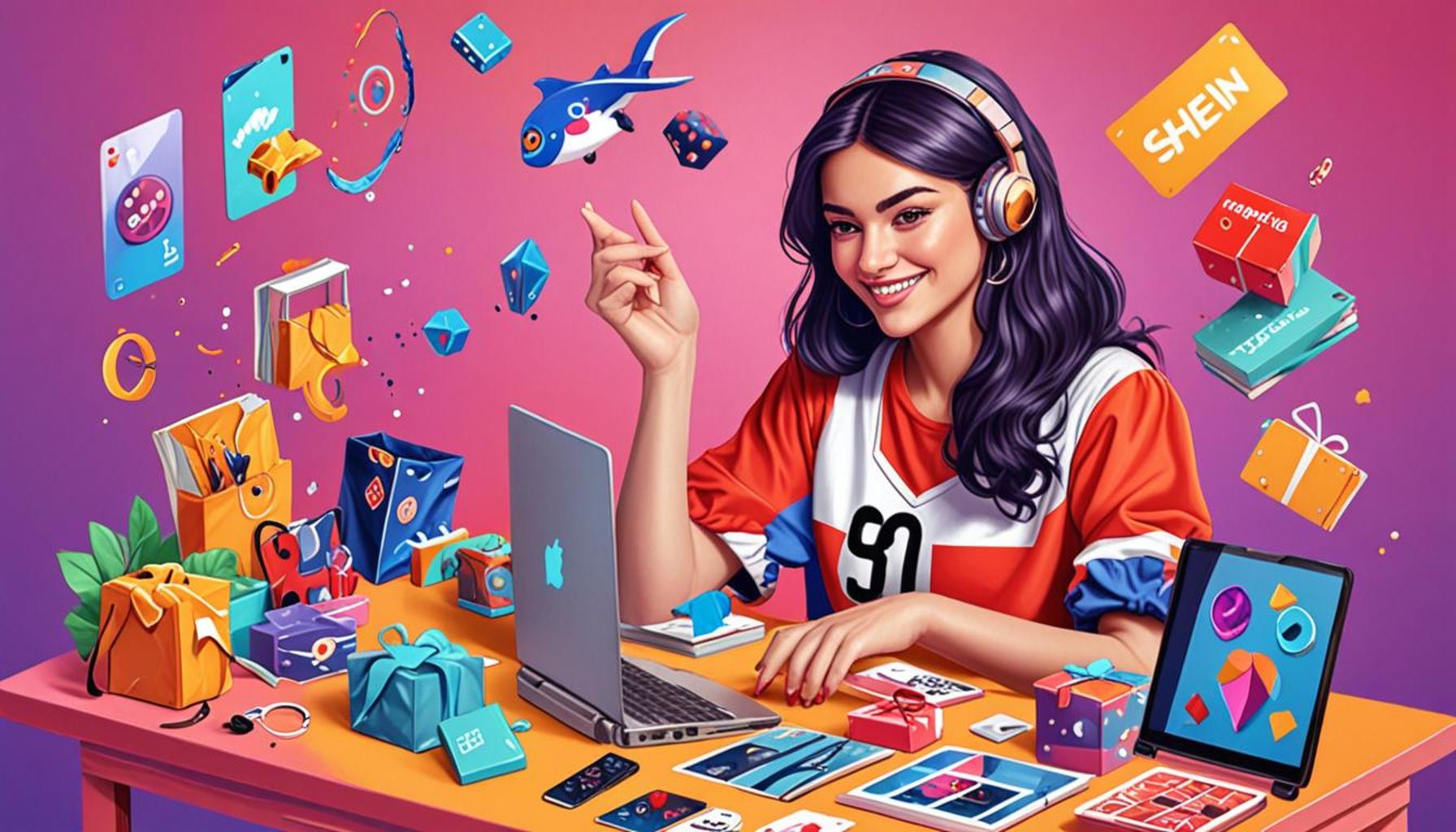
In today’s fast-paced digital marketplace, gamification has emerged as a powerful tool to enhance consumer engagement. Companies like Shein have adopted this strategy to grasp the attention of shoppers, making the online shopping experience more interactive and enjoyable. But how does this innovative approach influence sales and consumer behavior? The integration of game mechanics into the shopping experience transforms how retailers engage customers, fostering loyalty and increasing sales.
Factors Driving Gamification Success
- Interactive Elements: Features such as rewards, challenges, and point systems keep customers invested. For example, Shein implements a points system where users earn points for every dollar spent or for writing product reviews. This not only incentivizes purchases but also encourages customers to interact with the site beyond mere shopping.
- Social Sharing: Encouraging users to share achievements motivates others to participate. When customers post their shopping achievements or outfits on social media—a tactic effectively employed by Shein—this generates buzz and attracts new shoppers, effectively creating a virtual word-of-mouth advertising cycle. The social element enhances the sense of community among users, making shopping feel like a shared experience.
- Instant Gratification: Gamified experiences provide immediate feedback, driving customers back to the platform. For instance, Shein facilitates daily spin-the-wheel promotions where users can win discounts instantly. This instant feedback loop not only enhances user engagement but also cultivates a habitual purchasing behavior, as customers are more likely to return in hopes of securing new rewards.
As brands explore the impact of gamification, Shein stands out for its unique implementation. In an era where retail landscapes are constantly shifting, the incorporation of game-like features sees significant implications for sales metrics. The question remains: how effectively does Shein leverage this strategy to elevate consumer engagement on digital platforms?
Examining Shein’s Strategy
This article will delve into various aspects of Shein’s gamification initiatives, backed by data and case studies, to unveil the correlation between these tactics and sales performance. By analyzing user engagement statistics and conversion rates, we can see that gamification has the potential to significantly enhance customer retention and loyalty. For example, according to industry reports, companies employing gamification techniques in their marketing strategies experience a 20% increase in customer interaction and a 40% uptick in sales conversion rates.
Join us as we uncover the strategies that are reshaping consumer interactions in the e-commerce space, highlighting how interactive elements, social sharing, and instant gratification not only provide entertainment but also encourage spending. In a competitive market, understanding and effectively implementing gamification could be the key to gaining an edge and fostering a stronger relationship with consumers.
DISCOVER MORE: Click here to learn about AI’s role in Shein’s marketing
Gamification Tactics and Their Effectiveness
The rise of gamification in e-commerce has transformed how brands interact with consumers. For Shein, a global fast-fashion powerhouse, this strategy is not merely a passing trend but a fundamental element of their consumer engagement approach. By incorporating game mechanics into their platform, Shein has succeeded in garnering significant consumer interest, ultimately translating into sales growth.
To understand the effectiveness of Shein’s gamification tactics, it is essential to examine the diverse methods used and how they resonate with shoppers. Here are some pivotal gamification strategies employed by Shein:
- Challenges and Quests: Shein introduces weekly and monthly challenges where customers can complete specific tasks, such as sharing outfit styles or engaging with social media content. Completing these quests not only rewards customers with points but also creates a sense of achievement and community belonging.
- Flash Sales and Limited-Time Offers: By launching flash sales that are only accessible for a limited time, Shein instills a sense of urgency that mimics game-like urgency. Customers feel compelled to act quickly to secure their desired items, thus increasing the average conversion rates during promotional periods.
- Tiered Loyalty Programs: Shein has developed a multi-tiered loyalty program where customers can unlock additional perks as they engage more with the platform. This might include exclusive early access to new collections or special discounts, thereby making consumer loyalty a game where shoppers strive for the next level.
Research indicates that gamification can foster deeper consumer relationships and actually influence purchasing decisions. According to a recent study, items that featured gamified interactions saw an increase in sales of up to 30%. The appeal of gamification lies in its ability to make shopping feel rewarding and enjoyable, similar to the exhilaration of achieving goals in a video game.
Additionally, Shein leverages user-generated content through gamified interactions, prompting customers to share their purchases and achievements. This open invitation to showcase individual style not only enriches the brand’s online community but also serves to draw in potential new customers who are impressed by what fellow shoppers are wearing.
With options to play and earn while shopping, consumers are more likely to engage meaningfully with the brand. As Shein refines these strategies, their ability to create a fun shopping experience is setting a new standard in the competitive realm of online fashion retail.
As we dig deeper into Shein’s innovative approaches, it becomes increasingly clear how these gamification strategies have led to an impressive spike in customer retention and satisfaction. This makes for a compelling narrative on the impact of gamification on Shein’s sales, solidifying the idea that engagement is not merely a buzzword but a pivotal component driving digital commerce forward.
Examining Shein’s Gamification Strategy
Shein, a dominant player in the fast-fashion industry, has seamlessly integrated gamification into its digital platforms, significantly enhancing consumer engagement and driving sales. By implementing game-like features, Shein taps into the psychological motivations of consumers, compelling them to interact more with the brand. This interaction can be seen in the form of loyalty programs, interactive challenges, and reward systems that not only keep customers returning but also create a community-like atmosphere among users.
One of the most impactful elements of Shein’s gamification is its flash sales and limited-time offers, which create urgency and stimulate purchasing decisions. The thrill of competition is elevated through time-limited discounts that challenge consumers to act quickly, thereby increasing conversion rates. Additionally, the incorporation of customer feedback loops encourages shoppers to engage more deeply with product offerings, providing feedback that Shein uses to refine their lines. This feedback mechanism fosters a sense of ownership and investment in the brand.
Moreover, the social sharing features integrated into Shein’s platform allow users to showcase their purchases and outfits, amplifying organic reach through user-generated content. By encouraging consumers to share their shopping experiences, the brand not only enhances visibility but also cultivates a vibrant online community that thrives on shared interests.
Consumer Rewards and Loyalty Initiatives
Shein’s consumer rewards initiatives, often gamified, further solidify its strategy. Users earn points through activities such as daily logins, referrals, and purchases, which can be redeemed for discounts or exclusive items. This points system resonates well with younger audiences, particularly Gen Z, who are accustomed to earning rewards in gaming environments. By aligning the shopping experience with these familiar concepts, Shein not only drives sales but also fosters long-term customer loyalty.
As Shein continues to leverage gamification, the brand remains at the forefront of integrating innovative consumer engagement strategies. Analyzing how these methods impact sales can serve as a pivotal case study for other brands looking to thrive in today’s competitive digital landscape. Understanding the nuances of gamified shopping experiences reveals the potential for improved customer relationships and enhanced brand loyalty.
| Gamification Strategy | Advantages |
|---|---|
| Loyalty Programs | Encourages repeat purchases and customer retention. |
| Flash Sales | Creates urgency and increases conversion rates. |
| Social Sharing | Enhances brand visibility through user-generated content. |
| Points System | Resonates with younger audiences, fostering long-term loyalty. |
DON’T MISS: Click here to learn more
Driving User Behavior through Engaging Features
Shein’s innovative approach to gamification does not stop at basic incentives but extends to developing features that drive specific user behaviors essential for sales growth. By analyzing user interactions, Shein continuously fine-tunes its platform to incorporate engaging features that enhance overall shopping experiences.
One standout feature is the “Fashion Show”, where users can upload photos of themselves wearing Shein products to be showcased on the site. This initiative not only creates a platform for real customers, but it also fosters a sense of community and inspires others to purchase. Consumers often research through this user-generated content, further solidifying trust in their purchasing decisions. In fact, a survey found that 79% of consumers reported they prefer user-generated content over brand-created content when making decisions, showcasing the effectiveness of Shein’s strategy.
Moreover, Shein employs a “Spin the Wheel” feature that incentivizes users with discounts or bonus points for just logging into the app or making a purchase. This interactive experience piques curiosity and drives repeat visits, as users anticipate what they might win. The thrill of chance, coupled with discounts, keeps customers coming back, effectively utilizing gamification to boost engagement and sales. According to internal metrics, users engaging with this feature showed a 25% higher likelihood of returning to the site within days of their initial visit.
Another noteworthy aspect of Shein’s gamification strategy is its dynamic personalization. By collecting data on consumer preferences, the brand tailors specific promotions and content to individual users. This personal touch not only enhances the shopping experience but also increases conversion rates, as shoppers are more inclined to purchase items that align with their interests. Research indicates that personalized shopping experiences can lead to growth in conversion rates of up to 30%, further solidifying Shein’s investment in gamified personalization.
Additionally, Shein takes advantage of strategic social media collaboration to amplify its gamification efforts. By partnering with influencers and leveraging social platforms, Shein creates campaigns around challenges and contests that not only enhance engagement but also reach broader audiences. For instance, campaigns encouraging followers to share their unique styles using specific hashtags can quickly go viral, driving traffic to Shein’s platform. The increase in user interactions on social platforms directly correlates with higher web traffic and sales figures, underscoring the impact of an integrated gamified strategy across different digital platforms.
The continuous adaptation and refining of these gamified experiences highlight Shein’s commitment to enhancing consumer engagement on digital platforms. By resonating with the psychological triggers that drive user behavior, Shein effectively cultivates a shopping environment that combines excitement, competition, and reward-driven behaviors, ultimately leading to significant sales growth. As the industry evolves, Shein’s strategies seem to set a progressive benchmark for how gamification can be leveraged for long-term commercial success.
DISCOVER MORE: Click here to learn about the evolution of digital fashion design
Conclusion
In a rapidly evolving digital marketplace, Shein stands out as a vibrant example of how gamification can significantly influence consumer engagement and sales performance. By intertwining entertainment with shopping, Shein has successfully transformed the act of purchasing into an interactive experience that resonates with users on multiple levels. The various gamified features, such as the Fashion Show and the captivating Spin the Wheel, not only foster community participation but also create an element of fun that keeps customers returning.
Moreover, the strategic use of personalization allows Shein to tailor the shopping journey to individual preferences, enhancing satisfaction and increasing the likelihood of conversion. With research indicating a potential 30% growth in conversion rates through personalized shopping experiences, Shein’s investment in understanding consumer behavior is paying off. The integration of social media collaboration further amplifies these efforts, turning customer interactions into powerful marketing tools that drive traffic and ultimately sales.
As we look ahead, the implications of Shein’s gamified strategies extend far beyond immediate sales figures. They highlight the critical role of emotional engagement in consumer behavior, showcasing that modern shoppers crave not just transactions but experiences. For retail brands aiming to thrive in this new landscape, examining Shein’s pioneering tactics provides valuable insights into leveraging gamification for enhancing consumer loyalty and achieving sustained commercial success. Embracing such innovative approaches could very well define the future of retail in the digital age.
Related posts:
The Influence of Online Platforms on the Rise of Shein as a Leader in Digital Fast Fashion
The Influence of Social Media on Shein Sales: Analysis of Trends and Consumer Behavior
Top Smart Shopping Tips for Saving Big on Shein Deals
Easy Guide How to Return or Exchange Shein Items Efficiently
Effortlessly Track Manage Your Shein Orders A Complete Guide
Navigating Regulatory Challenges: Shein's Compliance with U.S. E-commerce Laws

Linda Carter is a writer and financial expert specializing in personal finance and financial planning. With extensive experience helping individuals achieve financial stability and make informed decisions, Linda shares her knowledge on the our platform. Her goal is to empower readers with practical advice and strategies for financial success.