Innovations in Logistics: How Shein is Optimizing the Supply Chain Through Technology
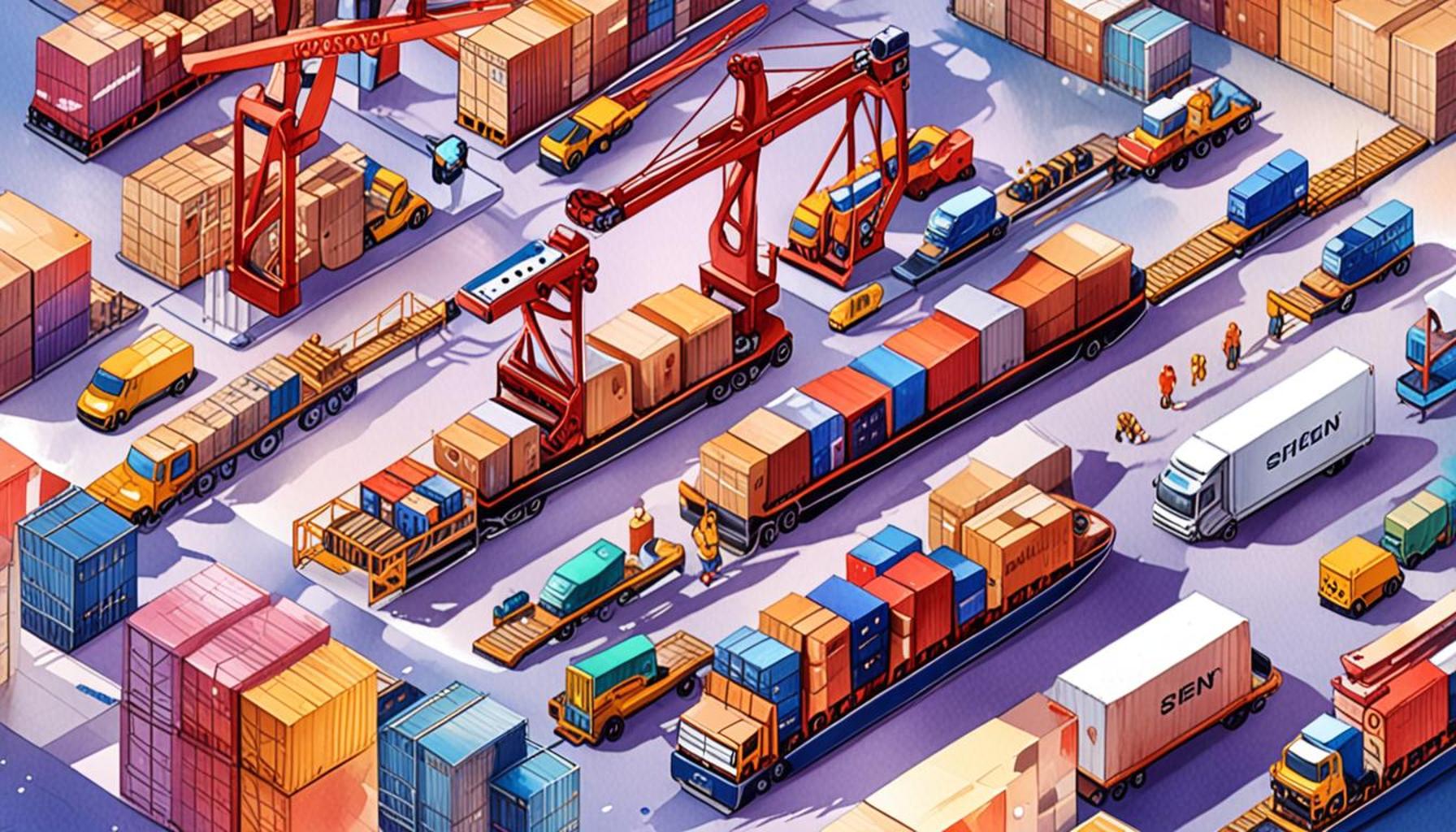
In the fast-paced world of e-commerce, effective logistics can make or break a business. Companies like Shein are at the forefront, utilizing cutting-edge technology to reshape their supply chains and enhance operational efficiency. What strategies are they employing?
Key Innovations in Shein’s Logistics
- Data Analytics: Shein leverages big data to forecast demand and streamline inventory management. By analyzing shopping patterns and consumer behavior, they can predict which products will be popular, thereby aligning their inventory accordingly. This proactive approach reduces excess stock and ensures that popular items are always available, which is critical for maintaining customer satisfaction.
- Automation: Automated warehouses optimize packaging and shipping processes, reducing lead times significantly. Shein employs robotics and conveyor systems in its fulfillment centers, allowing for rapid order processing. This level of automation not only speeds up the delivery timeline but also enhances accuracy in order fulfilment, ultimately reducing human error and operational costs.
- Sustainable Practices: Emphasizing eco-friendly logistics solutions, Shein is working to minimize its carbon footprint. This includes using recyclable packaging materials and optimizing delivery routes to reduce fuel consumption. The company is increasingly aware of the environmental impact of logistics and is implementing measures aimed at promoting sustainability in its supply chain, an essential consideration for modern consumers who value eco-consciousness.
These innovations not only help Shein meet consumer expectations but also position the brand as a leader in logistics efficiency. Their ability to adapt quickly to market changes and environmentally prioritize operations is distinguishing them in a competitive landscape. With the company constantly evolving, their supply chain strategy serves as a case study for others in the industry. How does Shein maintain this balance of speed and sustainability?
Exploring Technology-Driven Approaches
By embracing technologies such as AI and machine learning, Shein stays responsive to market trends. These advanced algorithms analyze vast amounts of data in real time, identifying shifts in consumer preferences and enabling Shein to respond rapidly to the ever-changing demands of contemporary shoppers. For example, if a particular style begins trending on social media, Shein can quickly ramp up production to meet the sudden influx in demand.
Further diving into Shein’s logistics innovations reveals the intersection of technology and supply chain management, which offers vital insights that can transform any retail operation. Companies looking to enhance their operational efficiency can learn from Shein’s ability to harness technology for demand forecasting, inventory management, and automated fulfillment. Understanding these strategies is crucial for businesses seeking to thrive in the bustling world of e-commerce.
DISCOVER MORE: Click here for the expert guide to style success
Transformative Technologies in Shein’s Logistics
As Shein navigates the complexities of the global e-commerce landscape, its innovative logistics strategies are becoming the benchmark for efficiency and responsiveness. One of the most significant aspects of Shein’s approach involves integrating cutting-edge technology that enhances each facet of its supply chain. By understanding the critical role technology plays, businesses can gain insights into optimizing their own logistics.
Cloud Computing is at the heart of Shein’s operational flexibility. By utilizing cloud-based platforms, the company ensures that real-time data is readily accessible across all departments. This seamless communication fosters collaboration among teams in design, manufacturing, and logistics, allowing for quicker decision-making. For instance, designers can access up-to-the-minute inventory levels, enabling them to create collections with confidence that their designs can be quickly shuttled to market without delay.
Moreover, Shein’s implementation of Inventory Management Systems (IMS) plays a crucial role in maintaining efficiency. These systems utilize algorithms that track product movement and stock levels, granting Shein the ability to pinpoint exactly when and where products are needed. As a result, the company can ensure minimal surplus inventory, reducing costs associated with storage and waste. By efficiently managing resources, Shein can allocate more funds towards creative designs and marketing, ultimately enhancing overall customer experience.
Real-Time Tracking and Transparency
Another vital innovation in Shein’s logistics framework is its real-time tracking system. This technology allows customers to monitor their orders from the moment they click “purchase” to when the package arrives at their doorstep. Real-time tracking enhances consumer trust, as customers feel a sense of empowerment knowing exactly when to expect their purchases. It also enables Shein to communicate proactively with their customers, notifying them of any delays or changes in delivery times.
Additionally, Shein utilizes Artificial Intelligence (AI) to refine its logistics further. AI tools analyze past shipment data to predict delays and address potential issues before they arise. This preemptive approach not only minimizes disruptions to the supply chain but also ensures that Shein can uphold its commitment to rapid delivery, which is crucial in the competitive e-commerce landscape.
- Enhanced customer trust: Real-time visibility into order status fosters customer confidence.
- Cost efficiency: Advanced inventory management reduces excess stock and associated expenses.
- Predictive analytics: AI anticipates logistical challenges, enabling smoother operations.
These innovations encapsulate the transformative impact of technology on logistics, propelling Shein ahead of its competitors. By continuously refining its supply chain through these advancements, Shein not only enhances its operational efficiency but also sets a standard for excellence in the fast-evolving e-commerce sector. The question now becomes: how will Shein’s strategies evolve as the logistics landscape continues to change?
Innovations in Logistics: How Shein is Optimizing the Supply Chain Through Technology
As a leader in the fast-fashion industry, Shein is continually pushing the envelope with its state-of-the-art logistics and supply chain innovations. One of the most significant advancements is its use of real-time data analytics to streamline operations. By leveraging big data, Shein can monitor inventory levels, customer preferences, and shipping requirements in real-time, allowing for quick adjustments that meet fluctuating demand. This responsiveness not only enhances customer satisfaction but also reduces excess inventory and operational costs.Another innovative practice is Shein’s integration of artificial intelligence (AI) in predicting fashion trends. Utilizing machine learning algorithms, the company analyzes social media patterns and purchasing behaviors to forecast upcoming trends. This enables Shein to produce styles that resonate with consumers, resulting in a quicker turnaround from design to delivery. The use of AI also extends to warehouse management, where automated systems optimize storage space and improve order fulfillment speeds, thereby boosting efficiency.In addition to these technologies, Shein has embraced blockchain technology to foster transparency and accountability in its supply chain. By tracking the movement of materials from suppliers to consumers, Shein can ensure ethical practices and enhance trust among stakeholders. Blockchain not only secures data but also facilitates easier tracking of shipments, reducing potential delays and losses.These cutting-edge innovations not only redefine how Shein operates but set new standards within the logistics sector, paving the way for a more efficient and futuristic supply chain landscape. As the retail landscape evolves, Shein’s adaptability and commitment to technology underscore its positioning as a standout player in the competitive world of fashion retail.
| Technology | Benefits |
|---|---|
| Real-Time Data Analytics | Improves inventory management and operational efficiency. |
| Artificial Intelligence (AI) | Predicts trends and enhances design-to-delivery time. |
| Blockchain Technology | Ensures transparency and ethical practices in sourcing. |
These technologies collectively help Shein maintain its competitive edge by fostering agility and responsiveness in an ever-evolving market. The ongoing embrace of innovation signals a transformative journey for logistics, ensuring that the supply chain adapts and thrives amidst changing consumer demands.
DISCOVER MORE: Click here for insights on regulatory challenges
Data-Driven Decision Making
An underlying theme of Shein’s logistical prowess is its commitment to data-driven decision-making. The company leverages vast amounts of data collected from its operations, including customer behavior, sales trends, and supply chain activities. This wealth of information allows Shein to not only react to current market demands but also to predict future trends and optimize its supply chain accordingly. For example, by analyzing purchasing patterns, Shein can streamline its product offerings to focus on designs that resonate most with its customer base, ultimately minimizing unsold stock and maximizing profitability.
Moreover, Shein has developed sophisticated analytics tools that help identify inefficiencies within its logistics network. By monitoring performance metrics such as delivery times, shipping costs, and error rates, Shein can continuously improve its operations. Such insights enable the company to negotiate better terms with logistics partners and identify the most efficient routes for deliveries, resulting in reduced shipping times and costs.
Robotics and Automation in Warehousing
Shein’s adoption of robotics and automation in its warehousing processes further enhances its supply chain efficiency. Automated systems handle tasks ranging from inventory sorting to package preparation, significantly speeding up operations. For instance, robotic arms can pick and pack items at a rate far exceeding that of human workers, reducing the time between order placement and shipment. This not only lightens the workload for human employees but also decreases the potential for errors associated with manual handling.
The integration of automation extends to predicting demand and ensuring appropriate stock levels are maintained. With tools powered by machine learning algorithms, Shein can fine-tune its inventory replenishment strategies to align with predictions, thus reducing the likelihood of stockouts or overstock situations. As a result, this level of efficiency maximizes the effectiveness of Shein’s supply chain, ensuring that customers receive their desired products in a timely manner.
- Improved speed: Robotics accelerate the warehousing process, ensuring quicker turnaround times on orders.
- Reduced errors: Automated systems minimize mistakes tied to human intervention in packing and shipping.
- Optimal inventory levels: Predictive tools maintain the right quantity of stock based on anticipated demand.
The current landscape of logistics continues to evolve, heavily influenced by the ongoing advancements in technology. Shein’s proactive approach not only showcases its ambitious trajectory but also sets a precedent for the wider e-commerce industry to follow. As consumers increasingly demand faster service and transparency, companies that embrace sophisticated logistics technologies stand to gain significant competitive advantage in this fast-paced market.
As the logistics sector expands, understanding how Shein is harnessing technology can provide valuable insights for businesses looking to refine their own supply chains. From real-time analytics to automation, the innovations at Shein are shaping not only its operations but also the future of logistics in the global e-commerce realm.
DON’T MISS OUT: Click here to unlock your savings
Conclusion
In a rapidly evolving landscape where consumer expectations are ever-increasing, Shein’s innovative approach to logistics serves as a compelling model for the e-commerce industry. By harnessing data analytics and automation technologies, Shein has not only enhanced its operational logistics but is setting new standards for efficiency and responsiveness in supply chain management. The effective use of data-driven insights enables Shein to predict trends, streamline inventory, and minimize waste, ultimately delivering an enhanced shopping experience to its customers.
Furthermore, the integration of robotics and automated processes in its warehousing operations illustrates how technology can significantly boost productivity while reducing human error. As competitors scramble to keep pace with such innovations, Shein underscores the importance of staying ahead through constant adaptation and technology integration.
This approach is not solely a recipe for success for Shein; it offers valuable lessons for other businesses within the logistics sector. With an increasing demand for faster and more transparent services among consumers in the United States and beyond, the time is ripe for companies to explore how technology can optimize their supply chains. In conclusion, as logistics continue to transform, Shein’s advancements provide a framework that can help shape the future of supply chain management, proving that innovation is not just an advantage—it’s essential for survival in today’s competitive marketplace.
Related posts:
The Transformation of User Experience with Augmented Reality at Shein
Sustainability and Digital Innovation: Shein's Path to a Greener Future
The Influence of Artificial Intelligence on Shein's Digital Marketing Strategies
The Big Data Revolution in Personalizing Shein's Customer Experience
The Role of Data Analysis in Personalizing the Customer Experience at Shein
Analysis of the Impact of Social Media on Shein's Online Sales

Linda Carter is a writer and financial expert specializing in personal finance and financial planning. With extensive experience helping individuals achieve financial stability and make informed decisions, Linda shares her knowledge on the our platform. Her goal is to empower readers with practical advice and strategies for financial success.