Shein and Inclusive Fashion: How Disruption in the Market is Expanding Representativity
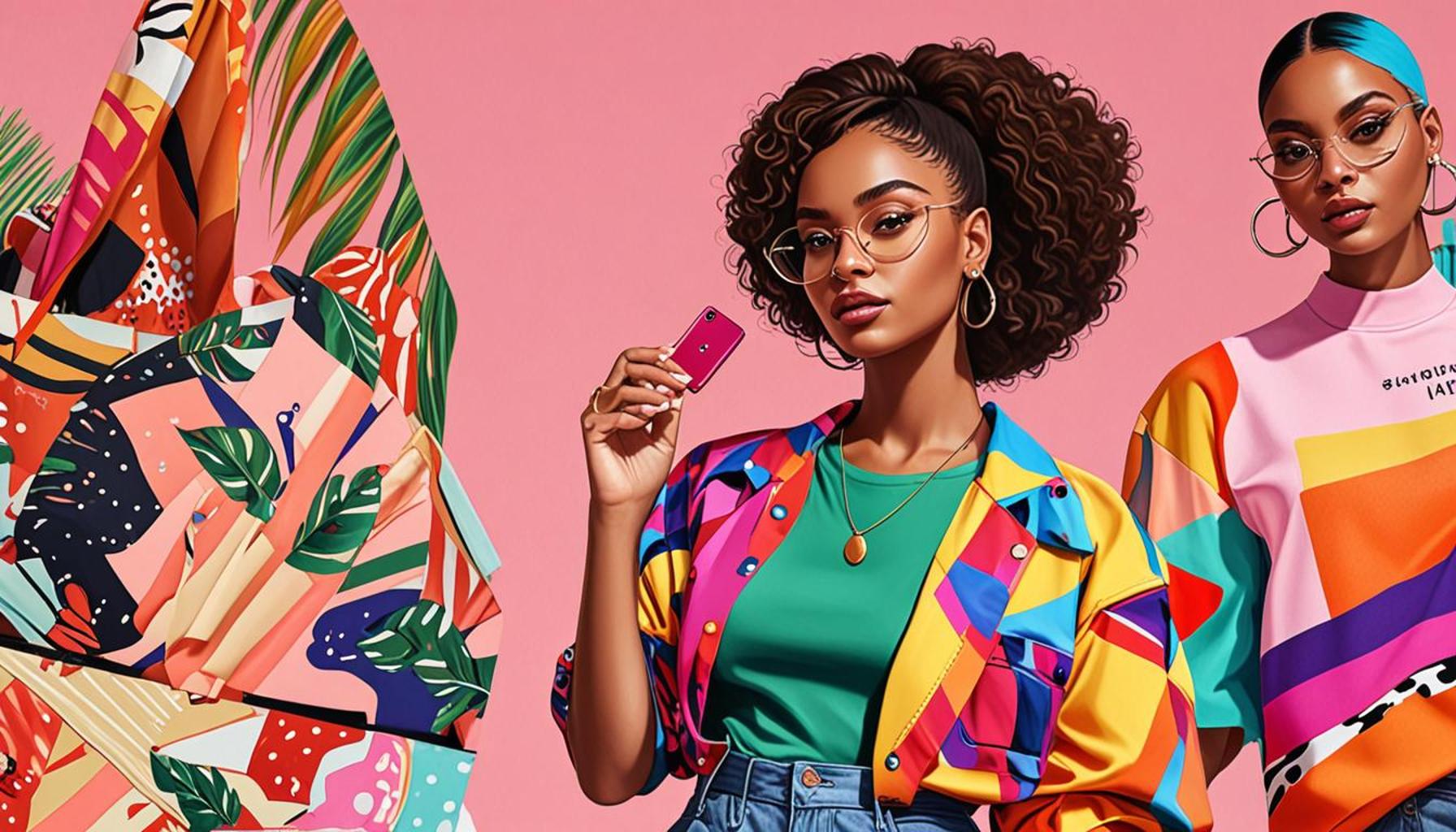
Shein’s Impact on Inclusive Fashion
The fashion industry has navigated significant changes in recent years, reflecting a shift towards inclusivity that resonates with a diverse consumer base. Shein, a leading player in fast fashion, has not only embraced this transformation but has actively championed inclusive fashion, providing a refreshing alternative to traditional fashion norms. As this dynamic brand continues to redefine standards, its approach warrants a closer examination.
Diverse Sizing
One of the most pivotal aspects of Shein’s strategy is its commitment to diverse sizing. Unlike many labels that often limit their offerings to standard sizes, Shein recognizes the importance of catering to various body types. The brand provides a comprehensive range of sizes, from petite to plus size, allowing individuals to find comfortable and flattering clothing options. This inclusivity is not just beneficial for customers; it also promotes body positivity, challenging the unrealistic beauty standards often perpetuated by the fashion world. For instance, their “Curve” collection is dedicated to embracing and flattering curvier body types, offering styles that are both trendy and accessible.
Global Inspiration
Global inspiration is another hallmark of Shein’s designs. The brand draws influences from cultures around the world, creating collections that celebrate diversity and individuality. This global approach not only enriches the fashion narrative but also allows consumers to express their unique identities through a variety of styles. One example is Shein’s frequent collaborations with international designers, showcasing traditional motifs adapted into contemporary clothing. This fusion of global styles encourages a broader audience to engage with fashion in meaningful ways.
Affordability
Affordability is a critical factor that positions Shein as a frontrunner in the fast fashion sector. The brand’s ability to provide fashionable options at accessible prices ensures that a wider demographic can participate in the latest trends without feeling financially constrained. This pricing strategy has revolutionized how consumers approach fashion, allowing them to experiment with styles and frequently refresh their wardrobes. In a time when many consumers are conscious of budgetary constraints, Shein’s value proposition resonates strongly.
The shift in the fashion landscape, particularly through brands like Shein, invites a reconsideration of what inclusivity truly means within the industry. Consumers are no longer satisfied with just an array of options; they demand authentic representation and meaningful engagement from brands. In this context, Shein’s approaches may very well set new benchmarks for inclusivity and customer engagement.
As we explore the implications of Shein’s disruption in the market, it becomes clear that its innovations are not merely trends but rather, they have the potential to reshape future industry standards. By prioritizing diversity both in size and cultural representation while maintaining affordability, Shein is actively transforming how fashion is perceived and consumed in the United States and beyond. This evolution encourages other brands to reconsider their practices and inclusivity efforts, ultimately urging the fashion industry towards a more equitable future.
DON’T MISS: Click here to save big
Shein’s Role in Empowering Diverse Fashion Choices
Shein’s rise in the fast fashion arena has been accompanied by a transformative approach to inclusive fashion that goes beyond merely offering diverse garments. At its core, Shein is redefining the traditional pathways of fashion consumption by leveraging technology to understand consumer needs. This approach allows the brand to quickly respond to the evolving market demands and establish a sense of belonging among its diverse customer base.
Fast Fashion Meets Inclusivity
Shein’s rapid production cycles are not just about delivering trendy items at lightning speed; they reflect a newfound paradigm of inclusive fashion that celebrates individuality. With its business model designed around consumer feedback, Shein actively engages with its audience to ensure they feel represented. For instance, the brand incorporates user-generated content, encouraging customers to share their personal styles through social media. This feedback loop creates an inclusive environment where customers are not just passive consumers but active participants in shaping the brand’s offerings.
Modern Representation
Representation in fashion extends beyond body sizes; it encompasses various facets such as ethnicity, culture, and even gender identity. Shein has committed to showcasing a variety of cultural representations through thematic collections that honor different heritages. By collaborating with influencers and designers from various backgrounds, Shein infuses its catalog with a sense of multicultural identity, allowing diverse voices to be heard and celebrated. This focus on modern representation is crucial in an increasingly diverse society where individuals seek relatable brands that reflect their realities.
Consumer-Centric Strategy
Shein’s consumer-centric strategy is integral to its disruption of the fashion market. The brand harnesses data analytics to identify trends and preferences, enabling it to cater to niche markets that were often overlooked. A few noteworthy elements of this strategy include:
- Community Engagement: By utilizing social media platforms effectively, Shein cultivates a vibrant community where customers can share feedback, style tips, and even participate in design contests.
- Customized Shopping Experience: Personalization features on their website and app allow users to filter options based on their body type, size, and style preferences, ensuring a tailored shopping experience.
- Inclusive Marketing Campaigns: Shein invests in marketing campaigns that reflect real customers, showcasing models of all shapes, sizes, and ethnic backgrounds to promote a genuine sense of inclusion.
The implications of Shein’s approach are profound, urging the larger fashion industry to reconsider its traditional practices. While some established brands still cling to antiquated notions of beauty and exclusivity, Shein’s bold moves highlight a necessary shift toward inclusivity. By embracing a diverse array of styles and focusing on true representativity, Shein not only sets a new standard but also prompts consumers to redefine their expectations from the fashion industry.
| Advantage Category | Description |
|---|---|
| Affordable Pricing | Shein’s business model focuses on low-cost production, allowing a wider demographic access to fashionable clothing. |
| Rapidly Changing Trends | The brand’s quick turnaround time ensures that diverse styles reflect current trends, catering to various body types and tastes. |
| Increased Representation | By featuring models of varied sizes and ethnic backgrounds, Shein promotes inclusive fashion, making every consumer feel represented. |
| Global Reach | Shein’s online platform enables shoppers from around the world to access styles and sizes that suit their unique preferences. |
The clothing market has seen a significant transformation thanks in part to brands like Shein leading the charge for inclusive fashion. This remarkable evolution highlights that fashion is not a one-size-fits-all affair, showcasing the importance of diversity in style and fit. The increase in representation encourages more brands to rethink their approach to design and marketing, blending accessibility with personal expression, thus drawing attention to the need for change in a market often criticized for exclusivity. The implications of Shein’s strategies reverberate through the fashion industry, prompting ongoing dialogue about how to continue fostering representativity in a rapidly evolving consumer landscape.
DISCOVER MORE: Click here for hassle-free return tips
Challenges and Controversies in Shein’s Inclusive Fashion Narrative
While Shein’s approach to inclusive fashion has garnered significant attention and accolades, it is not without its challenges and controversies. As the brand champions representation and diversity, it also faces scrutiny regarding sustainability, ethical labor practices, and the implications of fast fashion on the environment. These concerns require a closer examination of what true inclusivity in fashion entails.
Sustainability Concerns
One of the most pressing criticisms against fast fashion, including Shein, is the environmental impact associated with rapid production cycles. The model relies heavily on creating a constant stream of trendy garments, often resulting in significant waste and resource depletion. According to the UN Environment Programme, the fashion industry is responsible for approximately 10% of global carbon emissions. This statistic has sparked a debate within the body of inclusive fashion: can a brand genuinely claim inclusivity if it undermines the very planet its diverse clientele inhabits?
In response to these concerns, Shein has announced initiatives aimed at improving sustainability, such as launching eco-friendly clothing lines and implementing recycling programs. However, critics argue that these initiatives often lack transparency and accountability. Additionally, consumers remain skeptical about whether such efforts can significantly alter the overall environmental footprint of a brand known for its fast fashion ethos.
Ethical Labor Practices
Beyond environmental issues, Shein has also come under fire for its labor practices. Investigations have revealed harsh working conditions in factories that supply the brand, with reports of unregulated hours and inadequate pay for workers. Fast fashion perplexes the concept of inclusivity by prioritizing profit margins over ethical practices. The lack of transparency regarding labor conditions challenges Shein’s narrative of empowerment, particularly for marginalized communities who comprise a large portion of its workforce.
This disparity emphasizes the importance of holding brands accountable. While Shein’s outreach to diverse demographics is significant, the industry must also demand that companies prioritize ethical labor practices in tandem with inclusivity. Greater awareness and advocacy from consumers can push brands like Shein toward more equitable measures that honor the rights of workers globally.
The Future of Inclusive Fashion
As discussions surrounding inclusive fashion evolve, Shein’s position in the market opens avenues for conversation about the greater responsibilities of fashion brands. The emerging dialogue calls for a reflexive approach to activism—where inclusivity is not merely a marketing strategy, but a comprehensive commitment to sustainable and ethical practices.
The future incarnation of inclusive fashion may depend on brands striking a balance between profitability and responsibility. To this end, Shein must navigate its growth trajectory by recognizing the critical significance of sustainable production and ethical labor. By engaging with consumers and activists on these issues, Shein has the opportunity to redefine its role not only as a purveyor of style but as a leader in championing the values that modern consumers increasingly prioritize.
As the landscape of fashion continuously evolves, the challenge remains: how can brands truly commit to inclusion without compromising sustainability and ethical considerations? Shein’s path forward may serve as a pivotal case study for the industry as a whole, demonstrating that genuine inclusivity must encompass various dimensions for it to resonate meaningfully with its audience.
DISCOVER MORE: Click here to delve deeper
Conclusion: Navigating the Complex Terrain of Inclusive Fashion
In conclusion, Shein’s rise as a prominent player in the realm of inclusive fashion highlights both the potential for representation and the pressing challenges that accompany it. As the brand has expanded its offerings to cater to diverse body types, styles, and budgets, it has undeniably disrupted the traditional fashion market, prompting other brands to rethink their approaches to inclusivity. However, as illustrated throughout this discussion, this disruption comes with a dual responsibility: to prioritize sustainable practices and ethical labor standards.
The conversation surrounding inclusivity in fashion must extend beyond mere visibility; it requires a commitment to meaningful change. Shein, while making strides in representation, must address questions surrounding its environmental impact and labor conditions to align its operations with the values of modern consumers who are increasingly advocating for responsible consumption. These elements are crucial because a true commitment to inclusion means not only being accessible to all demographics but also ensuring that such accessibility does not come at the expense of social and environmental ethics.
As we look to the future of inclusive fashion, Shein’s journey can serve as a model for the industry. By prioritizing transparency and accountability, the brand can redefine its narrative, transforming from a fast fashion giant into a champion of sustainable and ethical practices. Ultimately, this evolution presents an opportunity for Shein not only to enhance its reputation but also to lead a broader movement towards a fashion industry that genuinely reflects the diverse values of its consumer base. In an era that demands more from brands, Shein stands at a crossroads—how it navigates these challenges will shape the future of inclusive fashion for years to come.
Related posts:
The Rise of Shein: How Market Disruption Redefined the Fashion Industry Through Digital Commerce
Sustainability and Disruption: Shein's Challenge in an Increasingly Conscious Market
Sustainability and Disruption: Shein's Challenge in an Increasingly Conscious World
Digital Strategies of Shein: The Relevance of Data Analysis in Disrupting the Fashion Market
Shein and the Future of E-commerce: Analyzing the Role of Emerging Technologies in Disrupting the Se...
Shein and the Logistics of the Future: The Revolution of Supply Chains in Digital Fashion

Linda Carter is a writer and financial expert specializing in personal finance and financial planning. With extensive experience helping individuals achieve financial stability and make informed decisions, Linda shares her knowledge on the our platform. Her goal is to empower readers with practical advice and strategies for financial success.