The Impact of Artificial Intelligence on the Disruption of Shein’s Business Model
Understanding the Role of AI in Retail
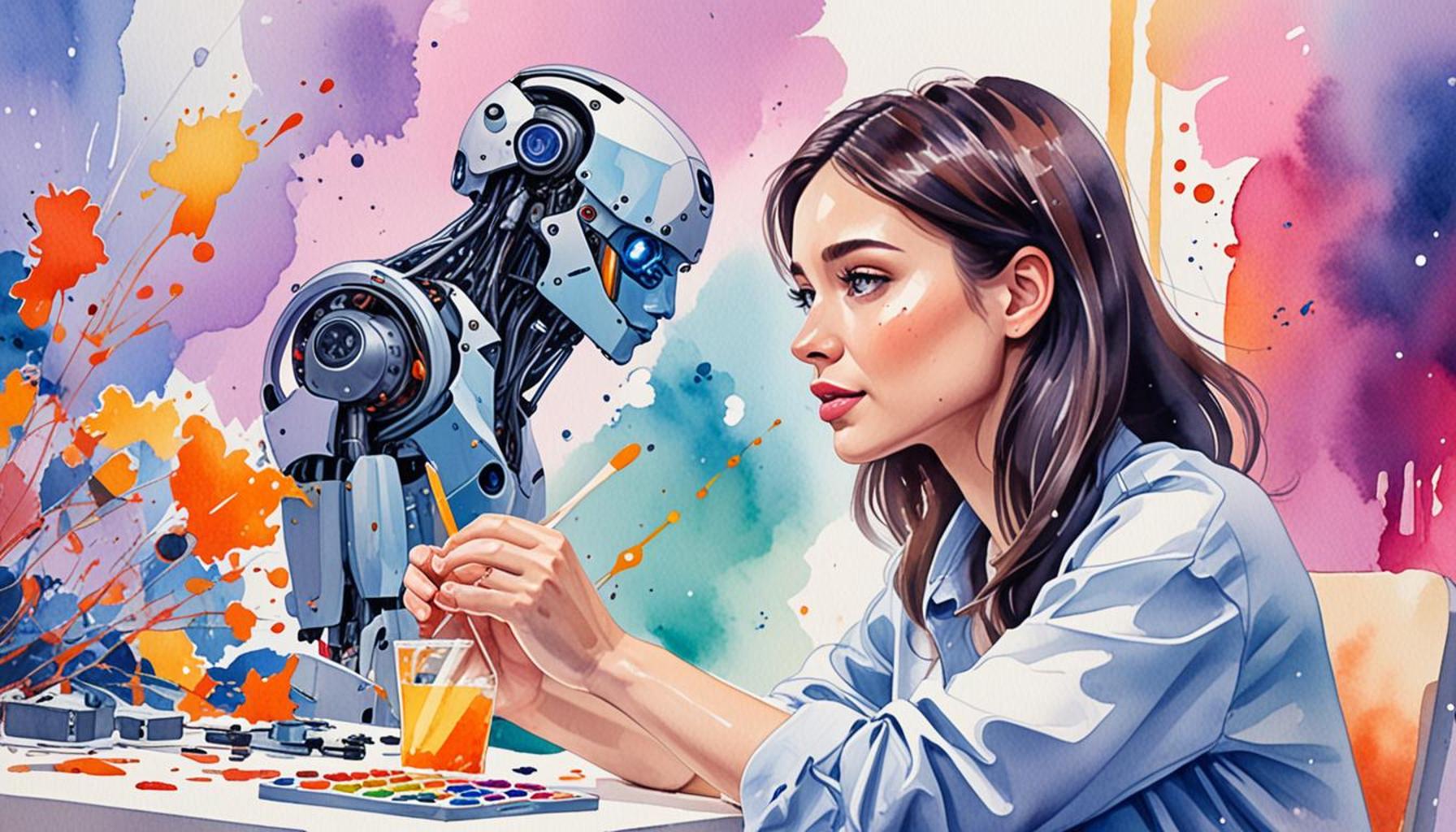
The rise of artificial intelligence (AI) in the retail industry is not just a trend; it marks a profound transformation reshaping how businesses operate and influence consumer habits. For instance, Shein, a prominent player in the fast fashion arena, is striving to keep pace with AI’s rapid advancements while navigating the challenges and opportunities that emerge in this new landscape.
One of the most significant impacts of AI is seen in data-driven decision making. Retailers are increasingly relying on AI to sift through enormous datasets, analyzing consumer buying patterns and preferences with remarkable efficiency. For example, AI algorithms can predict which styles will be in demand weeks or even months in advance, allowing companies like Shein to manage inventory effectively and reduce waste. This proactive approach not only maximizes profits but also helps companies respond swiftly to changing market conditions.
Personalization is another critical area where AI is making strides. By employing sophisticated algorithms, brands can provide a uniquely tailored shopping experience. Consumers now receive recommendations that align closely with their tastes and preferences, which enhances customer loyalty. This practice is evident in platforms like Shein, where users are greeted with personalized selections based on their previous purchases and browsing history. As consumers increasingly expect these customized experiences, retailers who fail to leverage AI may find themselves at a competitive disadvantage.
However, the integration of AI into retail isn’t without its drawbacks. The rise of automation in processes from product design to customer service is undoubtedly cost-saving for businesses. Yet, this shift raises ethical concerns, particularly regarding job displacement and the unique challenges of maintaining human interaction in customer service. As automated systems take over more roles, there’s growing debate about the importance of preserving jobs for employees, highlighting the delicate balance retailers must navigate between innovation and employment.
As we further investigate the intricate relationship between AI technology and Shein’s innovative strategies, it becomes clear that the impacts extend beyond individual companies and effectuate change across the entire fashion industry. Traditional retail practices are being reevaluated, pushing brands to adapt swiftly to stay relevant.
This discourse prompts an important consideration: how will this technological evolution influence sustainability and ethical practices in the fashion sector? As AI continues to play a pivotal role in shaping consumer experiences and business operations, stakeholders must engage in deeper discussions about its implications for the future of retail. Understanding these dynamics can foster a more informed conversation about the broader impacts on society and the environment.
DISCOVER MORE: Click here for essential shipping tips
Revolutionizing Inventory Management and Supply Chain
One of the most profound ways in which artificial intelligence (AI) is disrupting Shein’s business model is through its inventory management and supply chain optimization. The fast fashion industry is notorious for its rapid production cycles and the need for timely responses to shifting consumer trends. AI empowers Shein to create a highly agile supply chain, allowing the brand to generate and stock products based on real-time data rather than relying solely on historical sales patterns.
By utilizing advanced algorithms and machine learning, Shein can analyze consumer behavior across various demographics and regions. This capability enables the company to identify emerging trends and predict demand, allowing it to introduce new products that resonate with consumers almost immediately after a trend is spotted. Here are some of the key benefits of AI-driven inventory management:
- Enhanced Forecasting: AI systems can analyze multiple data sources, including social media trends, search queries, and past purchase behaviors to forecast future demands with higher accuracy.
- Real-time Inventory Monitoring: Through AI technologies, Shein can monitor stock levels constantly, ensuring that products are replenished before they run out, thus avoiding lost sales opportunities.
- Dynamic Pricing Strategies: By assessing market conditions, crafting tailored pricing based on demand, and offering discounts during slower sales periods, Shein can optimize profitability.
- Reduction of Excess Inventory: Using predictive analytics, Shein is better equipped to minimize unsold stock, thereby reducing waste and improving sustainability efforts.
Moreover, the integration of AI within Shein’s operational framework extends to its design processes. Traditional fashion design often entails a lengthy cycle of research, sketching, and sampling. AI tools enable Shein’s design teams to swiftly analyze successful designs, gauging which styles are likely to attract consumer interest. This agility accelerates the design-to-retail timeline significantly, placing the retailer in a prime position to cater to fickle fashion trends.
The company’s AI-led approach to inventory and supply chain management further impacts its competitive positioning. While many retailers face challenges related to overstock and markdowns, Shein’s proactive measures through data analytics ensure that it maintains a lean inventory. This efficiency translates into less markdown pressure and improved profit margins, revealing a stark contrast to the challenges faced by traditional retailers struggling to pivot quickly.
Ultimately, Shein’s adoption of AI technologies for inventory and supply chain management not only substantiates its market strategy but also presents critical implications for the entire fast fashion ecosystem. As As businesses bolster their reliance on technology to enhance operational efficiency, the question lingers: how will this shift influence consumer expectations and the broader dynamics of the fashion industry? This ongoing transformation invites a deeper look into the sustainability and ethical controversies surrounding the burgeoning use of AI in retail.
The Role of AI in Transforming Shein’s Operations
The advent of Artificial Intelligence (AI) has been a game changer in the retail industry, particularly for fast-fashion brands like Shein. With its savvy use of data analytics and machine learning algorithms, Shein can predict trends, determine inventory needs, and even customize offerings for distinct customer segments. By leveraging AI to analyze vast amounts of consumer behavior data, Shein successfully identifies emerging fashion trends well before they become mainstream, enabling the brand to adapt to market demands swiftly.Moreover, AI plays a pivotal role in supply chain management, where it enhances operational efficiency. Shein has utilized AI to optimize its logistics, ensuring faster turnaround times and reducing production costs. This approach not only allows for rapid restocking of popular items but also minimizes waste, a growing concern in the industry amid calls for sustainable practices.
Consumer Personalization and Engagement
One of the most significant impacts of AI on Shein’s business model is in the realm of personalized shopping experiences. AI algorithms analyze individual users’ browsing and purchasing behaviors to recommend products tailored to specific preferences. This level of customization not only enhances user engagement but also drives conversion rates, leading to increased customer loyalty.Additionally, the implementation of AI-driven chatbots provides instant customer service, elevating the shopping experience. With these virtual assistants, customers can receive support 24/7, enhancing satisfaction while reducing the workload on service teams. This integration of AI tools enhances efficiency and builds a more robust customer relationship.
Challenges Presented by AI Integration
Despite its numerous advantages, the integration of AI into Shein’s business model is not without challenges. As consumer data privacy concerns rise, brands like Shein must navigate the fine line between leveraging customer data for personalized experiences and maintaining trust. Furthermore, the reliance on AI raises questions about the ethical implications of automation, particularly regarding employment and labor in the fashion industry.Nevertheless, the potential of AI remains vast. Companies that manage these challenges while harnessing the power of artificial intelligence will likely lead the market, making it critical for brands like Shein to continuously innovate. The exploration of AI’s capabilities in transforming business models showcases a pivotal evolution in the fashion retail landscape, pushing boundaries and setting new standards for competition.
| Category 1 | Category 2 |
|---|---|
| Data-Driven Insights | AI’s ability to analyze vast amounts of data provides Shein with insights into market trends, allowing for intelligent decision making. |
| Operational Efficiency | AI streamlines the supply chain process, ensuring quicker production cycles and reducing costs. |
The rapidly evolving landscape of AI technology continues to challenge and redefine Shein’s business model, positioning the brand at the forefront of innovation in the fashion industry.
DISCOVER MORE: Click here to learn about the impact of global supply chains
Transforming Customer Engagement through Personalization
Another significant area where artificial intelligence (AI) is disrupting Shein’s business model is in the realm of customer engagement and personalization. As consumers increasingly value tailored shopping experiences, Shein has adopted AI technologies to enhance customer interactions at every touchpoint, creating a more compelling and customized experience that stands in stark contrast to traditional retail practices.
AI-driven recommendation systems play a pivotal role in this transformation. By leveraging vast amounts of consumer data—including browsing patterns, purchase histories, and demographic information—Shein’s algorithms can curate products that align closely with individual tastes. The result? A shopping experience that feels more personal and relevant, ultimately increasing conversion rates and customer satisfaction. Some critical features of Shein’s AI-enabled personalization strategy include:
- Tailored Product Recommendations: Utilizing user preference data, Shein’s platform can offer personalized product suggestions, significantly enhancing the likelihood of additional purchases.
- Dynamic User Interface: AI enables Shein to adapt the website layout, promotional content, and product visibility based on real-time customer behavior, ensuring every user finds the experience tailored to them.
- Chatbots and Virtual Assistants: AI-powered chatbots are employed to assist customers by providing instant answers to queries, helping streamline the decision-making process and reducing abandonment rates.
- Customer Feedback Analysis: Implementing natural language processing (NLP), AI can sift through customer feedback to unearth insights, allowing Shein to make immediate adjustments based on consumer sentiment.
The impact of personalized engagement extends beyond individual purchases. It nurtures brand loyalty and fosters a connection between Shein and its customers, notably in the competitive landscape of fast fashion. For instance, a study published by McKinsey & Company indicated that brands utilizing advanced personalization strategies could outperform competitors in customer retention rates by a significant margin. As Shein continues to refine these AI-driven functionalities, its ability to create emotional connections with consumers will likely bolster sales and market positioning.
Moreover, the use of AI in personalizing marketing efforts cannot be understated. Through targeted marketing campaigns driven by data analytics, Shein can effectively reach niche segments with tailored advertisements that resonate, thus optimizing its overall marketing spend. Incorporating AI into marketing strategies also permits Shein to understand the lifetime value of different customer segments, allowing for more cost-effective allocation of marketing resources.
Undoubtedly, Shein’s AI-infused customer engagement model raises the stakes for traditional retailers still operating with one-size-fits-all strategies. As these conventional brands grapple with slower adaptation rates, they risk losing market share to agile competitors like Shein, which harnesses cutting-edge technology to enhance customer experiences actively. This acceleration towards AI-driven personalization raises critical questions about the evolving expectations of consumers and whether traditional retailers can catch up.
As AI continues to seep into customer interaction frameworks, it not only innovates Shein’s approach towards retail but also sets a precedent for how consumer expectations are shaped in the future. This shift compels businesses to reconsider their methodologies, challenging them to either innovate or risk obsolescence in an increasingly data-driven marketplace.
DIVE DEEPER: Click here to discover how Shein is leveraging blockchain technology
Conclusion
In conclusion, the impact of artificial intelligence on the disruption of Shein’s business model is both profound and multifaceted. By embracing cutting-edge technologies, Shein has not only redefined customer engagement through advanced personalization but has also established itself as a formidable competitor in the fast fashion industry. The implementation of AI-driven recommendation systems, dynamic interfaces, and innovative customer support solutions has created an unparalleled shopping experience that caters to the modern consumer’s desire for tailored interactions.
This transformative approach does not simply enhance customer satisfaction; it fosters brand loyalty, making Shein more resilient amid the escalating competition. As traditional retailers continue to lag behind in adopting these technologies, they face the looming threat of obsolescence, highlighting the urgent need for them to innovate or risk losing relevance. The shift towards data-driven marketing strategies, powered by AI, further illustrates how essential it is for any brand to develop a nuanced understanding of customer behavior and preferences.
Looking ahead, the landscape of retail is poised for further evolution as artificial intelligence becomes increasingly integrated into business operations. Shein’s ongoing commitment to leveraging data analytics will likely serve as a benchmark for others in the industry, propelling new expectations regarding consumer interaction and overall service delivery. Ultimately, Shein’s journey exemplifies a critical lesson in the importance of agility and innovation in today’s ever-evolving marketplace, setting a compelling example for both emerging players and established brands alike.
Related posts:
The Rise of Shein: How Market Disruption is Transforming the Fast Fashion Industry
Shein and the Consumer Experience: The Influence of Social Media on the Disruption of Digital Commer...
Shein and the Logistics of the Future: The Revolution of Supply Chains in Digital Fashion
The Globalization of Style: How Shein is Changing Consumption Dynamics in Different Cultures
The Rise of Shein: How Market Disruption Redefined the Fashion Industry Through Digital Commerce
Shein and the Future of E-commerce: Analyzing the Role of Emerging Technologies in Disrupting the Se...

Linda Carter is a writer and financial expert specializing in personal finance and financial planning. With extensive experience helping individuals achieve financial stability and make informed decisions, Linda shares her knowledge on the our platform. Her goal is to empower readers with practical advice and strategies for financial success.