The Influence of Artificial Intelligence on Shein’s Digital Marketing Strategies
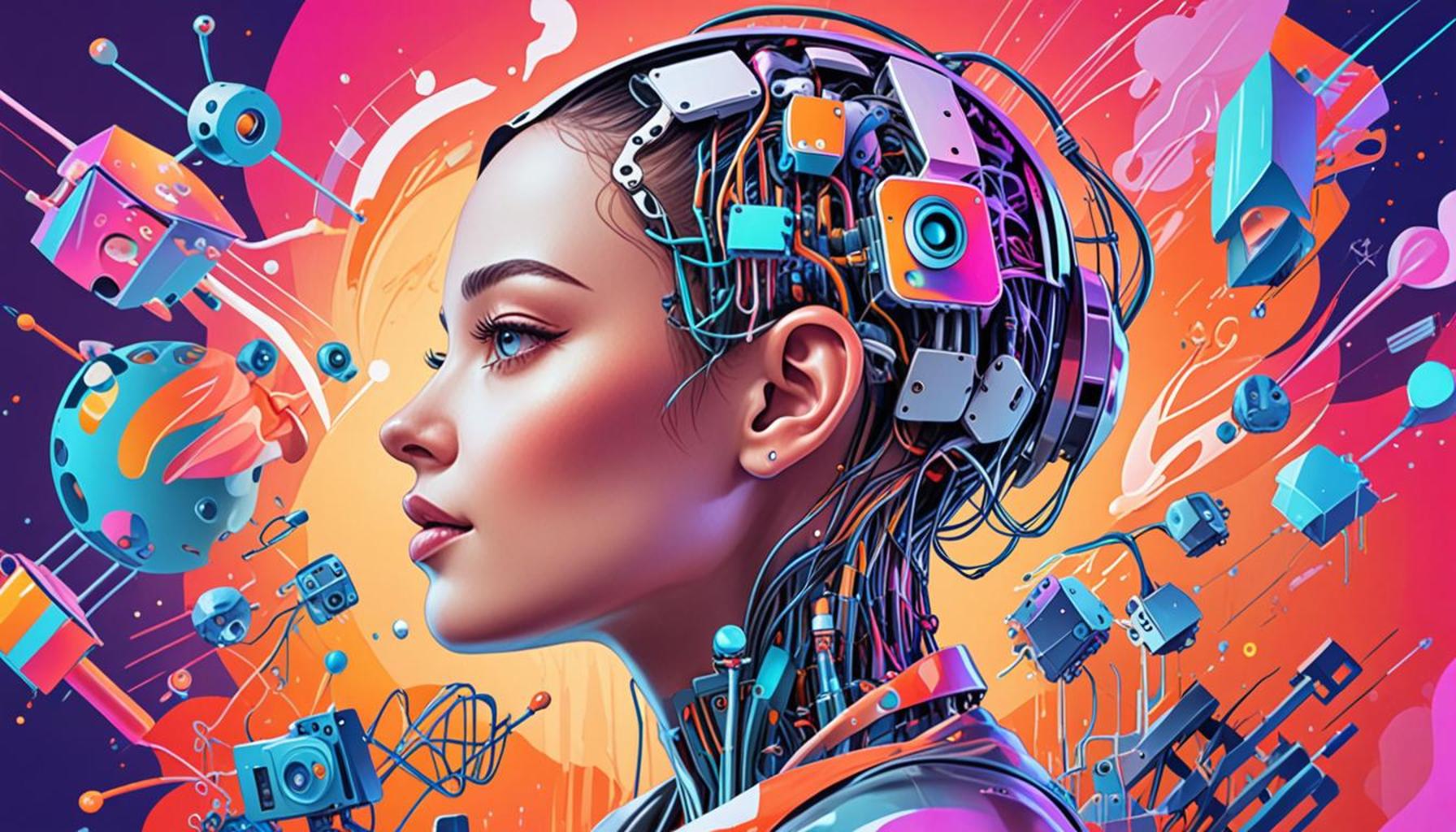
In the fast-paced world of fashion, Shein stands out as a trendsetter, drawing millions of consumers worldwide. Central to its success is the strategic utilization of artificial intelligence (AI), which reshapes how the brand interacts with its audience. This article delves into the significant ways AI has transformed Shein’s digital marketing strategies.
The Role of AI in Marketing
AI technology has revolutionized marketing across various sectors. For Shein, it has become a game-changer, influencing:
- Customer Personalization: Utilizing AI-driven algorithms to tailor recommendations based on user behavior. This means that when a shopper browses Shein’s website, the platform learns from their interaction patterns—what items they linger on or even hover over. For example, if a customer frequently views casual dresses, Shein’s algorithms will prioritize similar items in their recommendations, enhancing the shopping experience and boosting the likelihood of a purchase.
- Trend Analysis: Monitoring social media and fashion trends to stay ahead of customer preferences. By analyzing data from platforms like Instagram, TikTok, and Pinterest, Shein identifies emerging fashion styles before they saturate the market. This proactive approach not only keeps the brand relevant but also establishes it as a leader in fast fashion.
- Ad Targeting: Enhancing advertising effectiveness through precise audience segmentation. AI enables Shein to deploy targeted ads that resonate with specific demographics. For example, by analyzing user data, Shein can create advertising campaigns that speak directly to millennials looking for affordable workout wear, increasing engagement and conversion rates.
Impact on Consumer Engagement
Artificial intelligence permits Shein to enhance its engagement by:
- Chatbots: Offering 24/7 customer support and interaction. These AI-powered chatbots can handle a multitude of inquiries ranging from order status updates to product recommendations, creating a seamless experience for customers who prefer instant responses.
- Content Creation: Automating the development of promotional material. Using AI tools, Shein can generate visually appealing graphics and eye-catching advertisements based on trending aesthetics without the need for extensive human intervention, streamlining their marketing processes.
- Feedback Analysis: Gathering insights from consumer reviews and social interactions. Shein leverages AI to sift through massive datasets of customer feedback, enabling the brand to identify common concerns or preferences, such as sizing issues or fabric choices. This allows for continual improvement in product offerings and reflects a commitment to customer satisfaction.
In the following sections, we will explore the intricacies of these strategies and how they contribute to Shein’s dominance in the online fashion marketplace. Prepare to discover the fascinating impact of AI on one of the most recognizable fashion brands today.
DISCOVER MORE: Click here to learn how online shopping is evolving
Transforming Consumer Experiences with AI
The integration of artificial intelligence into Shein’s digital marketing landscape has fundamentally transformed how the brand interacts with its customers, leading to more personalized and engaging shopping experiences than ever before. This evolution is primarily driven by several key strategies that exploit the capabilities of AI to attract, retain, and engage consumers in meaningful ways.
Enhancing Customer Personalization
One of the most significant effects of AI on Shein’s digital marketing strategy is the remarkable enhancement of customer personalization. By utilizing sophisticated data-driven algorithms, Shein is capable of analyzing user behaviors, preferences, and past shopping interactions to curate highly tailored recommendations. For example, when a customer browses through Shein’s extensive catalog, the AI can identify patterns in their selections—such as a preference for vintage styles or bright color palettes—and subsequently suggest new arrivals that align with those interests. As a concrete example, if a shopper frequently views bohemian dresses, the AI may prioritize similar items in promotions or notifications.
This level of personalization not only fosters a deeper emotional connection between the brand and its consumers but also significantly enhances revenue potential. Research indicates that personalized product recommendations can increase sales conversion rates by as much as 10%, showcasing the economic benefits of embracing AI-derived insights.
Real-Time Trend Detection
In the fast-paced fashion industry, being ahead of the curve is essential for maintaining a competitive edge. Shein leverages AI for robust trend analysis, tapping into the dynamic realm of social media across platforms such as Instagram, TikTok, and Pinterest. Advanced AI tools continuously analyze massive datasets to identify emerging trends, such as popular colors, styles, and fabric choices that resonate with target demographics. For instance, by monitoring hashtags or engagement rates around specific clothing items on social media, Shein is empowered to align its product launches with current consumer interests, ensuring they meet the market demand swiftly.
This proactive approach allows Shein not only to react to existing trends but also to set new fashion standards. Consequently, Shein has developed a reputation for consistently releasing timely collections that capture the zeitgeist, which is critical in securing its position as a premier player in the fast-fashion sector.
Precision in Ad Targeting
AI also significantly enhances Shein’s advertising effectiveness by enabling precise audience segmentation. Through meticulous data analysis, the platform can deploy targeted ad campaigns that cater specifically to varied consumer segments. This includes, but is not limited to, eco-conscious shoppers looking for sustainable fashion, young athletes in pursuit of functional yet stylish athletic wear, and trend-setting college students seeking the latest chic outfits.
For example, targeted advertising allows Shein to showcase promotional content highlighting eco-friendly clothing lines to environmentally-minded shoppers or feature budget-friendly athleisure wear for fitness enthusiasts. Such customized marketing strategies culminate in higher engagement rates, which are essential in a marketplace cluttered with competing brands seeking consumer attention.
The intersection of AI and digital marketing within Shein serves as a powerful illustration of how technology is reshaping consumer experiences. As the brand continues to innovate and adapt to changing market dynamics, understanding the ways AI boosts personalization, trend-finding, and targeted advertising provides critical insights into the future landscape of retail, particularly in the United States. This ongoing revolution invites consumers and industry stakeholders alike to explore the possibilities that AI opens up within the fashion sector and beyond.
In exploring the role of artificial intelligence (AI) in Shein’s digital marketing strategies, one must consider the essence of personalized shopping experiences, which has become a cornerstone of modern e-commerce. By harnessing AI, Shein can analyze vast amounts of consumer data, enabling them to tailor product recommendations to individual preferences. This leads to a heightened sense of engagement and satisfaction among shoppers, ultimately driving sales.Furthermore, AI technologies such as chatbots and virtual assistants play a crucial role in enhancing customer service. These tools offer 24/7 support, answering queries, addressing concerns, and providing product information without the need for human intervention. This not only improves operational efficiency but also allows Shein to connect with its audience at any time, fostering brand loyalty and repeat business.Additionally, the application of AI in demand forecasting is a significant advantage for Shein. By predicting trends and consumer behavior patterns, the company can optimize inventory levels and reduce waste, ensuring that popular items are always available. This proactive approach minimizes the risk of overproduction, which is essential for a brand operating in the fast fashion sector.Now, let’s delve deeper into the advantages of Shein’s innovative use of AI through the following table:
| Category 1 | Category 2 |
|---|---|
| Personalization | Intelligent algorithms analyze user preferences, promoting tailored shopping experiences. |
| Customer Engagement | AI-driven chatbots provide immediate support, enhancing user satisfaction and brand trust. |
This synergy between technology and marketing not only enhances operational efficiencies for Shein but also contributes significantly to their competitive edge in the fast-paced fashion landscape. Embracing AI marks a transformative shift in how Shein interacts with consumers, positioning it as a leader in the realm of digital marketing strategies.
DISCOVER MORE: Click here to learn about Shein’s supply chain innovation
Driving Engagement through AI-Enabled Content Strategy
Beyond personalization and trend analysis, artificial intelligence plays a transformative role in Shein’s content marketing strategy, enhancing how the brand delivers engaging stories that resonate with its target demographics. AI is utilized to craft compelling content that speaks directly to consumer interests, using insights gleaned from behavioral data and market analysis.
Content Generation and Optimization
One emerging direction is AI-powered content generation. Tools such as natural language processing algorithms can analyze existing customer interactions and preferences to produce blog posts, social media captions, and product descriptions that align with current consumer sentiment. For instance, if data shows that a significant number of users engage with articles about sustainable fashion, Shein can quickly deploy AI to create relevant content that not only informs but also influences purchasing decisions.
Moreover, AI can optimize this content for search engines using keyword analytics, ensuring that it reaches a broader audience online. By evaluating the effectiveness of specific keywords and topics across various platforms, Shein can adapt its messaging to maintain visibility in an ever-competitive digital landscape. This strategic deployment of AI not only enhances brand visibility but also positions Shein as a thought leader in the fast-fashion realm, influencing consumer priorities seamlessly.
Interactive Shopping Experiences through AI
Another significant area where Shein leverages AI is through the creation of interactive shopping experiences. Integrating augmented reality (AR) features, powered by AI, allows customers to virtually ‘try on’ items within the app. This provides a unique perspective that enhances the overall shopping experience. For example, a customer interested in a particular blouse can use an AR tool to see how it fits into their existing wardrobe, stimulating desire and urgency to purchase.
Additionally, AI chatbots now serve as virtual shopping assistants, enhancing customer service by providing immediate feedback and recommendations. These bots can answer questions in real-time, suggest complementary items, or guide users through the purchasing process based on prior interactions. Data suggests that brands employing AI chatbots see up to a 40% increase in conversion rates, showcasing the effectiveness of this technology in facilitating smoother customer journeys.
Building Community through Engagement Analytics
AI also empowers Shein to foster a sense of community among shoppers by monitoring and analyzing consumer engagement across different channels. By utilizing advanced monitoring tools, Shein can track customer sentiments, preferences, and feedback from platforms like Instagram and TikTok, two critical realms where Gen Z and millennials congregate. For instance, if a particular #SheinHaul trend goes viral, AI helps identify the key influencers and the type of products driving engagement.
With these insights, Shein can curate collections that cater to those dynamically shifting interests, thereby allowing for collaborative campaigns with popular influencers. Strategic partnerships with influencers whose content resonates with their audience amplify brand visibility further while simultaneously creating a buzz around newly launched collections. This adaptability is crucial in meeting the demands of a younger audience that values authenticity and connection.
The innovation propelled by artificial intelligence is reshaping Shein’s digital marketing strategies in numerous powerful ways. As the fashion landscape continues to evolve, Shein’s agility in leveraging AI for personalized engagement, content generation, and community building underscores the brand’s commitment to remaining at the forefront of digital marketing within the fast-fashion industry.
DISCOVER MORE: Click here to dive deeper
Conclusion: The Future of Digital Marketing in Fast Fashion
As we navigate the intricate landscape of digital marketing, it becomes clear that artificial intelligence is not merely an auxiliary tool but a fundamental pillar of Shein’s marketing strategies. The capabilities of AI allow Shein to shift from traditional marketing practices to innovative solutions that prioritize consumer engagement and personalization. By harnessing data analytics and machine learning, Shein demonstrates the power of tailoring experiences to meet the ever-evolving preferences of its customers.
Furthermore, the integration of AI in content generation and optimization stands out as a game changer, allowing Shein to remain relevant in a highly competitive market. The use of real-time consumer insights not only facilitates the creation of relevant content but also ensures that messaging resonates deeply with target demographics. Coupled with interactive shopping features like augmented reality, Shein is redefining the consumer journey, merging convenience with personalization.
The brand’s proactive approach to utilizing AI for community engagement further solidifies its position as a leader in the fast-fashion industry. By understanding sentiments through engagement analytics, Shein can fine-tune its offerings and foster a deeper connection with its audience. Such strategies showcase how vital it is for brands to embrace technological evolution in order to thrive.
In conclusion, the influence of AI on Shein’s digital marketing strategies signifies a crucial shift towards a more dynamic and responsive business model. As businesses worldwide look to enhance their marketing efforts, Shein’s innovative use of AI serves as a powerful case study, highlighting the potential for creating lasting customer relationships while driving sales growth in an increasingly digital marketplace. The future of marketing is undoubtedly intertwining with artificial intelligence — a horizon that promises boundless possibilities for brands willing to adapt.
Related posts:
Digital Innovation and the User Experience: The Case of the Shein Platform
The Transformation of User Experience with Augmented Reality at Shein
The Role of Data Analysis in Personalizing the Customer Experience at Shein
The E-commerce Revolution: How Shein Is Redefining the Business Model in the Fashion Industry
Sustainability and Digital Innovation: Shein's Path to a Greener Future
Sustainability and Digital Innovation: The Case of Shein in Fast Fashion

Linda Carter is a writer and financial expert specializing in personal finance and financial planning. With extensive experience helping individuals achieve financial stability and make informed decisions, Linda shares her knowledge on the our platform. Her goal is to empower readers with practical advice and strategies for financial success.