The Influence of Artificial Intelligence on Shein’s Marketing Strategies
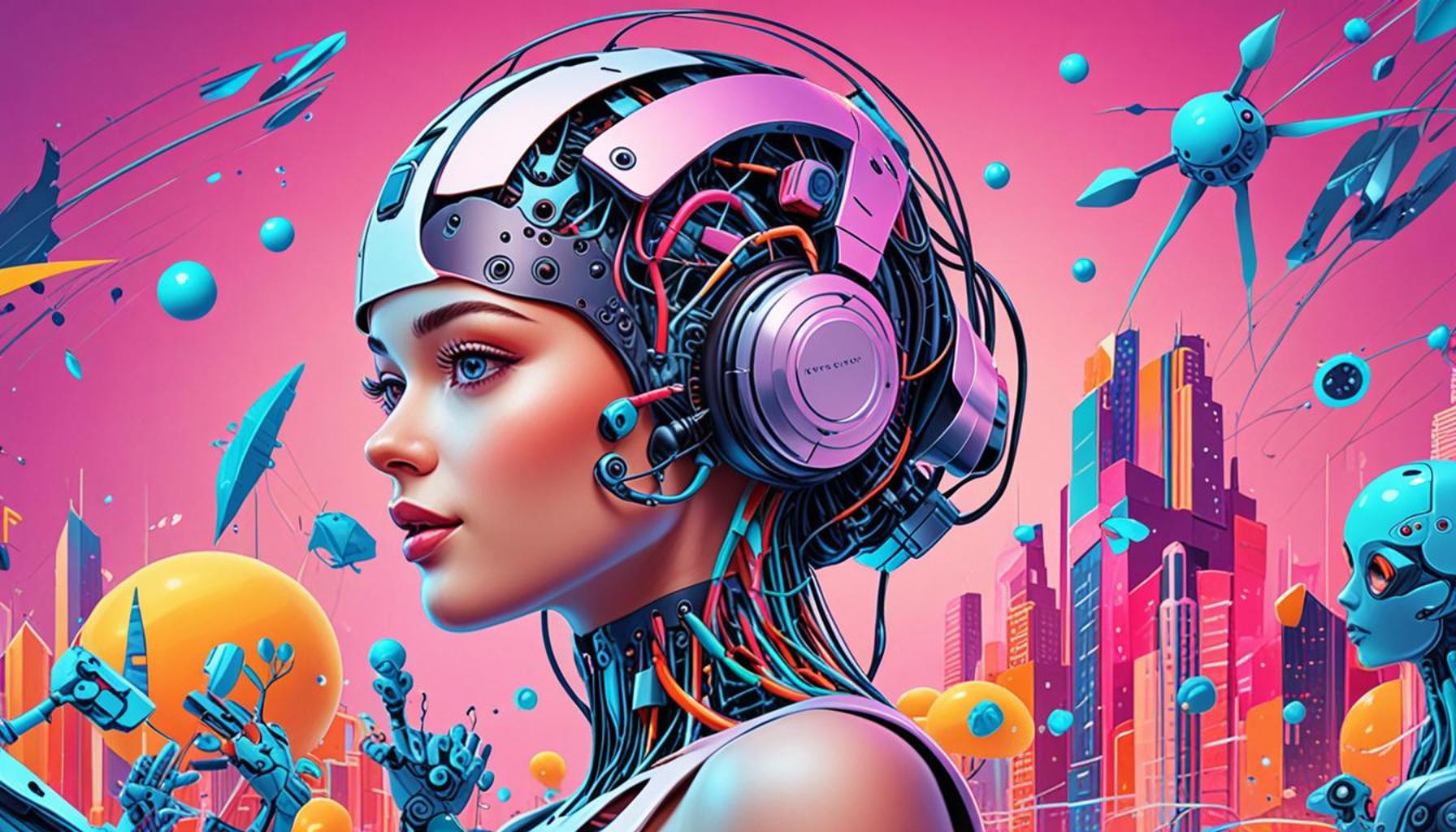
The Transformation of Marketing through AI
The digital age has ushered in a new era of marketing, with Artificial Intelligence (AI) at the forefront of this evolution. One brand that stands out in its adeptness at leveraging AI in marketing is Shein. Known for its rapid response to fashion trends, this fast-fashion giant has effectively integrated AI into its operational framework, significantly enhancing how it connects with consumers and captures their attention on a global scale.
Innovative Applications of AI at Shein
Shein’s marketing strategies are multifaceted, incorporating various applications of AI that not only streamline its processes but also enrich consumer experiences. Here are some of the principal ways Shein employs AI:
- Predictive Analytics: This is a cornerstone of Shein’s strategy. By analyzing vast amounts of consumer data, the brand can identify patterns in behavior and predict future fashion trends. For instance, by monitoring social media interactions, purchasing habits, and search queries, Shein can forecast which styles will be in demand and stock accordingly. This agility allows the brand to stay ahead of competitors and meet customer desires almost in real-time.
- Personalization: In an era where consumers expect tailored experiences, Shein excels by utilizing algorithms that curate individual browsing experiences. Through AI, the platform learns users’ preferences based on their browsing history, suggesting personalized outfits or styles that match their tastes. This level of personalization not only enhances user engagement but also increases the likelihood of repeat purchases, as customers feel a deeper connection with the brand.
- Content Generation: Shein has embraced automation in creating marketing materials. Utilizing AI-driven tools, the brand can generate targeted ads and social media content that resonate with specific audiences. This capability allows Shein to produce a higher volume of engaging content while lowering costs and time investment. For example, dynamic advertisements adjust in real-time based on user interactions, ensuring that the content remains relevant and enticing.
The Impact of Data-Driven Decisions
The implementation of AI has not only transformed Shein’s marketing tactics but has also become essential in its overall operations. Data-driven decisions form the backbone of Shein’s business model, enabling the brand to optimize and innovate continuously. With an emphasis on efficiency, Shein has reduced lead times from design to delivery, responding rapidly to market changes and improving customer satisfaction significantly. This strategic reliance on data and AI cements Shein’s position as a formidable contender in the competitive fashion landscape.
Looking Forward: The Future of Marketing
As AI technology continues to advance, the implications for marketing strategies across various sectors will be profound. Observing how Shein navigates this dynamic landscape can offer valuable insights into the future of marketing, not just in the fast fashion industry but also in broader sectors. The integration of AI is likely to define successful marketing strategies moving forward, emphasizing the critical role that technology will play in connecting brands with consumers in increasingly sophisticated ways.
This shift invites exploration into other brands and sectors adopting similar strategies, further indicating a transformative trend in how businesses will operate in the digital economy of tomorrow.
DISCOVER MORE: Click here to learn about sustainability challenges
Revolutionizing Consumer Engagement with AI
In the fiercely competitive landscape of fast fashion, Shein has emerged as a trailblazer, remarkable for its innovative application of Artificial Intelligence (AI) to enhance consumer engagement. The brand’s success is significantly attributed to its sophisticated understanding of consumer behavior facilitated by AI, which allows functionally predictive and personalized marketing strategies. This approach not only attracts shoppers but also builds a lasting relationship with them.
Understanding Consumer Preferences Through Data
At the heart of Shein’s marketing prowess lies an extensive reliance on data analytics. The company continuously gathers data from multiple touchpoints, including website activity, social media engagement, and purchase history. Using AI algorithms, this data is processed to identify key trends and consumer preferences effectively. Notably, by analyzing search data and utilizing machine learning techniques, Shein can detect shifts in consumer interests swiftly and adjust its offerings accordingly. This leads to a highly responsive inventory system where popular styles are prioritized, ultimately ensuring that what customers desire is readily available.
Dynamic and Personalized Shopping Experiences
Another significant advantage that AI provides Shein is the ability to create dynamic shopping experiences. When consumers visit Shein’s website, they encounter a highly personalized interface that recommends products tailored to their specific tastes. The AI-driven recommendation system analyzes past interactions and suggests new items that align with similar preferences. This level of customization not only enhances user experience but also encourages higher conversion rates, as shoppers are more likely to purchase items that resonate with their personal style.
Enhanced Marketing Campaigns through AI Tools
Moreover, Shein employs AI technology in developing innovative marketing campaigns. By utilizing tools that automate content creation, the company produces engaging ads and social media posts that are tailored to specific demographics. For instance, AI can determine which type of content performs best among different age groups, thereby refining marketing strategies to target specific audiences effectively. This data-driven approach extends to experimenting with optimal posting times across various platforms such as Instagram and TikTok, ensuring that the audience is engaged when they are most active.
- Social Media Insights: By harnessing AI to analyze social media sentiments, Shein gets real-time feedback on their content’s performance, allowing for rapid adjustments.
- A/B Testing: AI facilitates dynamic A/B testing, enabling Shein to compare different marketing strategies and pinpoint what resonates most with consumers.
- Sentiment Analysis: Through AI tools, Shein can gauge customer opinions and attitudes towards their products, aiding in better decision-making.
In summary, Shein’s integration of AI into its marketing strategies profoundly influences how the brand engages with its consumers. With a keen attentiveness to data, personalized shopping experiences, and enhanced marketing campaigns, Shein not only stands out among fast-fashion competitors but also sets a precedent for the future of marketing in the industry. As the trend of using AI becomes more widespread, the implications for consumer engagement will likely continue to evolve, creating a fascinating landscape for businesses and consumers alike.
The Influence of Artificial Intelligence on Shein’s Marketing Strategies
In the rapidly evolving landscape of digital marketing, Shein has emerged as a trailblazer by harnessing the power of artificial intelligence. The integration of AI into marketing strategies not only enhances customer experience but also streamlines operational processes. By analyzing vast amounts of data, Shein can create personalized shopping experiences that resonate with its audience, driving engagement and sales.
One notable advantage is the use of AI-driven analytics, which allows Shein to predict trends and consumer preferences. By employing machine learning algorithms to analyze purchasing behavior, the brand can tailor its product offerings and marketing messages to align perfectly with what customers want. This level of customization boosts customer satisfaction, ultimately increasing loyalty and retention.
Moreover, Shein’s use of AI in targeted advertising is another area where the brand excels. Advanced algorithms identify potential customers and deliver personalized advertisements across various platforms, enhancing the effectiveness of campaigns. This not only maximizes the return on investment but also ensures that the right message reaches the right audience at the right time.
To further illustrate the benefits of AI in Shein’s marketing strategies, consider their innovative use of chatbots for customer service. These AI-powered assistants provide instant support and answer queries, significantly improving response time while freeing up human resources for more complex tasks. This combination leads to a smoother shopping journey and a stronger connection between the brand and its consumers.
| Advantages of AI | Impacts on Marketing Strategies |
|---|---|
| Personalized Customer Experience | Enhances customer satisfaction and increases sales. |
| Improved Targeting | Maximizes advertising effectiveness, boosting ROI. |
The continuous evolution of these AI technologies indicates a promising future for Shein and its marketing strategies, suggesting that the company will remain at the forefront of innovation in the fashion e-commerce landscape.
DIVE DEEPER: Click here to learn more
Transforming Inventory Management and Supply Chain Efficiency
While consumer engagement is essential, Shein has also revolutionized its marketing strategies through a transformative approach to inventory management and supply chain efficiency, all driven by advanced Artificial Intelligence (AI). In a fast fashion industry characterized by rapidly changing trends, Shein’s ability to manage inventory in real-time has been a game-changer, allowing the brand to cater to the fickle tastes of its consumers while preventing overstock scenarios.
Predictive Analytics for Demand Forecasting
One of the critical applications of AI in Shein’s operations is predictive analytics. By harnessing vast datasets, the company can forecast demand for various products with remarkable accuracy. AI algorithms dive deep into historical sales data, social media trends, and even seasonality, allowing Shein to anticipate what styles will peak in popularity. For example, if a specific type of dress sees a surge in online searches during summer, Shein’s AI can not only suggest increasing production but can also inform marketing campaigns tailored to that specific item. This timely responsiveness helps minimize excess inventory and capitalizes on trending styles, ensuring the brand remains relevant in an ever-shifting marketplace.
Streamlined Production Processes
AI also plays a pivotal role in optimizing Shein’s production processes. From material selection to manufacturing distances, AI technology analyzes various factors to determine the most efficient ways to produce and ship items. Machine learning models evaluate which factories can deliver garments faster and at a lower cost while maintaining quality standards. By analyzing data points such as labor costs, local regulations, and operational capabilities, Shein can make informed decisions that not only enhance profit margins but also improve sustainability by reducing waste in production.
Integrating Customer Feedback into Product Development
AI enables Shein to incorporate customer feedback directly into its product development cycle. The brand utilizes sentiment analysis and machine learning to monitor online reviews and social media conversations surrounding its products. This feedback loop informs design teams about what consumers appreciate or dislike about existing products, allowing for quick adjustments. For example, if certain fabrics receive consistent negative feedback, Shein can swiftly modify future collections, enhancing overall customer satisfaction and fostering brand loyalty.
- Accelerated Time-to-Market: AI-driven insights allow Shein to reduce the lead time between design conception and product availability, ensuring consumers can purchase in-style items promptly.
- Dynamic Pricing: By analyzing competitor pricing and overall market conditions, AI can help Shein dynamically adjust its prices to remain competitive while maximizing revenue.
- Efficient Supply Chain Logistics: AI optimizes routing and shipping schedules, ensuring that products reach customers in the shortest time frame possible, which is crucial for today’s impatient shoppers.
The integration of AI into Shein’s inventory management and production strategies represents a significant evolution within the fast fashion industry. By leveraging predictive analytics, streamlining production, and actively considering customer feedback, the brand not only caters to the immediate desires of consumers but also positions itself as a forward-thinking leader that adapts swiftly to market dynamics. As AI technology continues to evolve, the opportunities for Shein to enhance its operational efficiency and marketing strategies are virtually limitless, offering a fascinating glimpse into the future of retail.
DIVE DEEPER: Click here to learn more
Conclusion: Redefining Fast Fashion through AI
In an era where consumer preferences shift at breakneck speed, Shein stands out as a trailblazer in the fast fashion sector, primarily owing to its profound integration of Artificial Intelligence (AI) into its marketing strategies. The brand’s ability to harness predictive analytics has reshaped demand forecasting, ensuring it remains ahead of trends while minimizing excess inventory. This agility, coupled with streamlined production processes, exemplifies how AI-driven insights can lead to smarter operational decisions that bolster both profit margins and sustainability.
Moreover, by embedding customer feedback through sophisticated sentiment analysis, Shein not only enhances customer satisfaction but also fosters loyalty, making the shopping experience genuinely participatory. The extensive use of AI not only accelerates time-to-market for the latest styles but also allows for dynamic pricing strategies that keep Shein competitive in a saturated marketplace. The result is a seamless blend of consumer engagement and operational efficiency that most brands can only aspire to achieve.
Looking ahead, as AI technologies continue to advance, Shein is poised to further innovate its marketing strategies, potentially leading the way in the retail landscape. For consumers and industry observers alike, the evolution of Shein serves as a case study in how AI can redefine traditional business models, prompting a re-evaluation of what is possible in the realm of e-commerce. As the fast fashion narrative progresses, it becomes crucial for other brands to recognize the transformative power of AI or risk being left behind in this rapidly evolving industry.
Related posts:
The E-commerce Revolution: How Shein Is Redefining the Business Model in the Fashion Industry
Digital Innovation and the User Experience: The Case of the Shein Platform
Analysis of the Impact of Social Media on Shein's Online Sales
The Transformation of User Experience with Augmented Reality at Shein
How Shein is Using Blockchain to Ensure Transparency and Security in Transactions
The Impact of Artificial Intelligence on Shein's Marketing Strategies

Linda Carter is a writer and financial expert specializing in personal finance and financial planning. With extensive experience helping individuals achieve financial stability and make informed decisions, Linda shares her knowledge on the our platform. Her goal is to empower readers with practical advice and strategies for financial success.